




RSS Chief Advocates Dialogue with Youth Amid NEET Protests
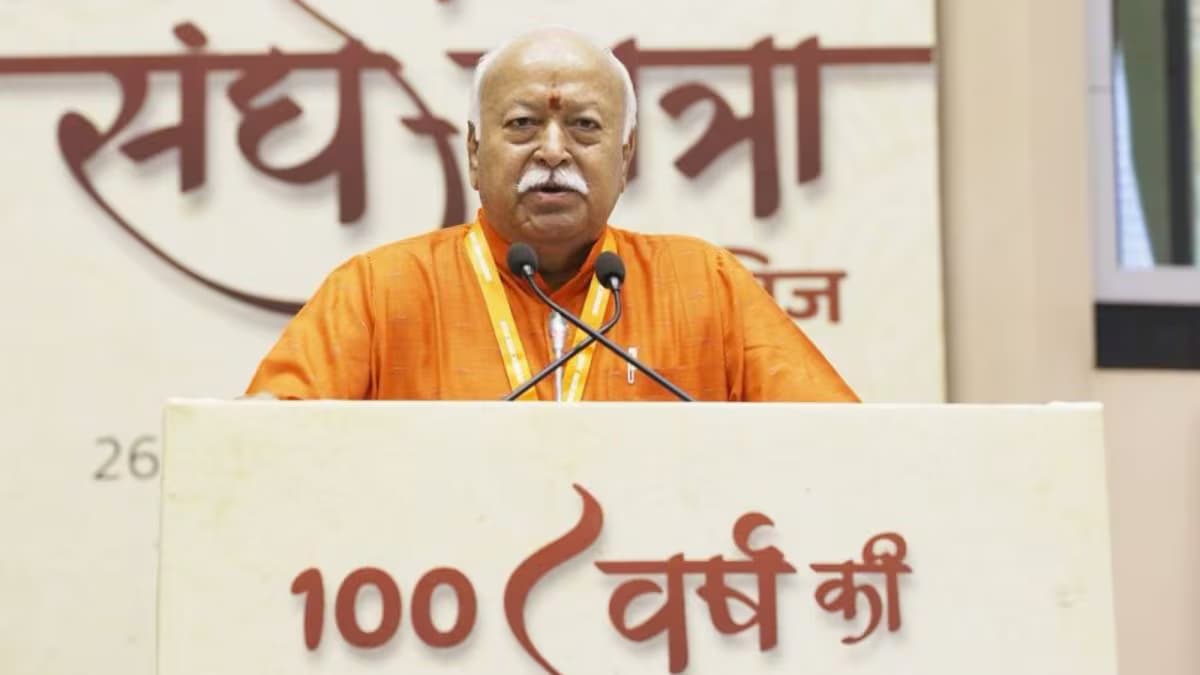
In light of the ongoing protests across the nation regarding the neet paper leak, mohan bhagwat, the chief of the rashtriya swayamsevak sangh (rss), emphasized
In light of the ongoing protests across the nation regarding the NEET paper leak, Mohan Bhagwat, the chief of the Rashtriya Swayamsevak Sangh (RSS), emphasized the importance of engaging with the younger generation through dialogue rather than expecting mere obedience. Speaking at the Vishwa Mangalya Sabha’s National Enlightenment Meeting focused on 'Contemporary Motherhood' held at the Ambedkar International Centre in New Delhi, Bhagwat highlighted the necessity for society to adapt to the evolving mindset of youth. He noted that today’s young people are not satisfied with blind compliance; they seek answers and understanding. 'When we were young, obedience was the norm. However, the current generation is inquisitive. We must provide them with explanations and affection, and invest time in meaningful conversations,' Bhagwat remarked, pointing out that communication has diminished even within families.
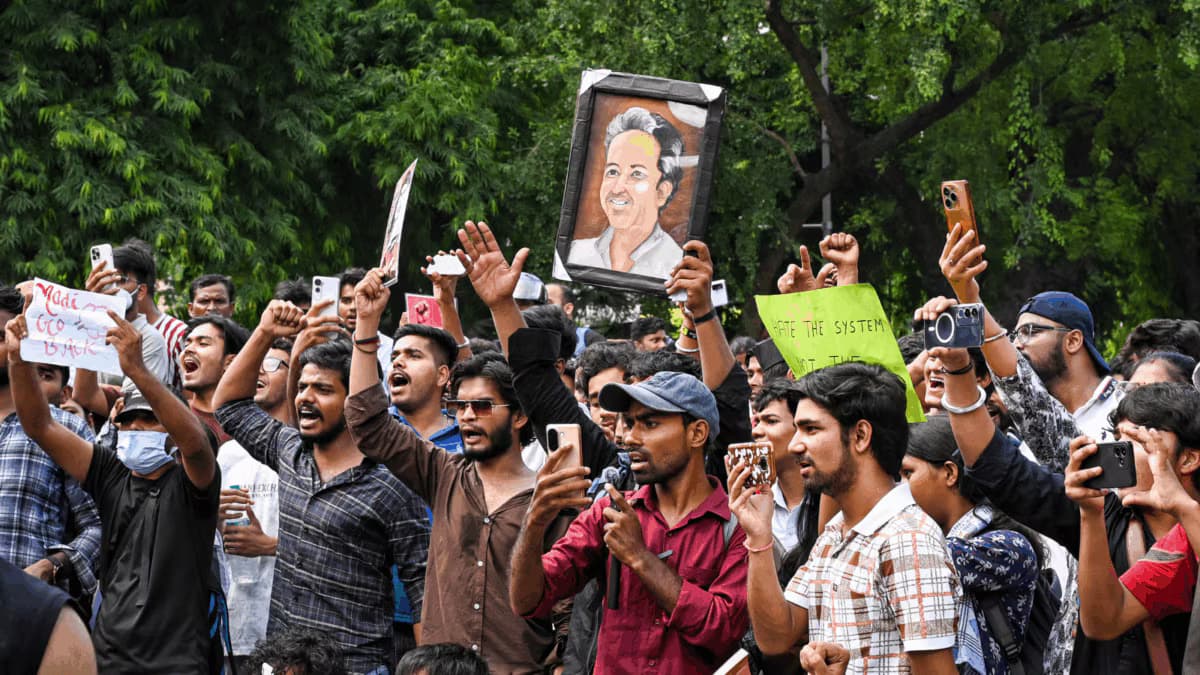
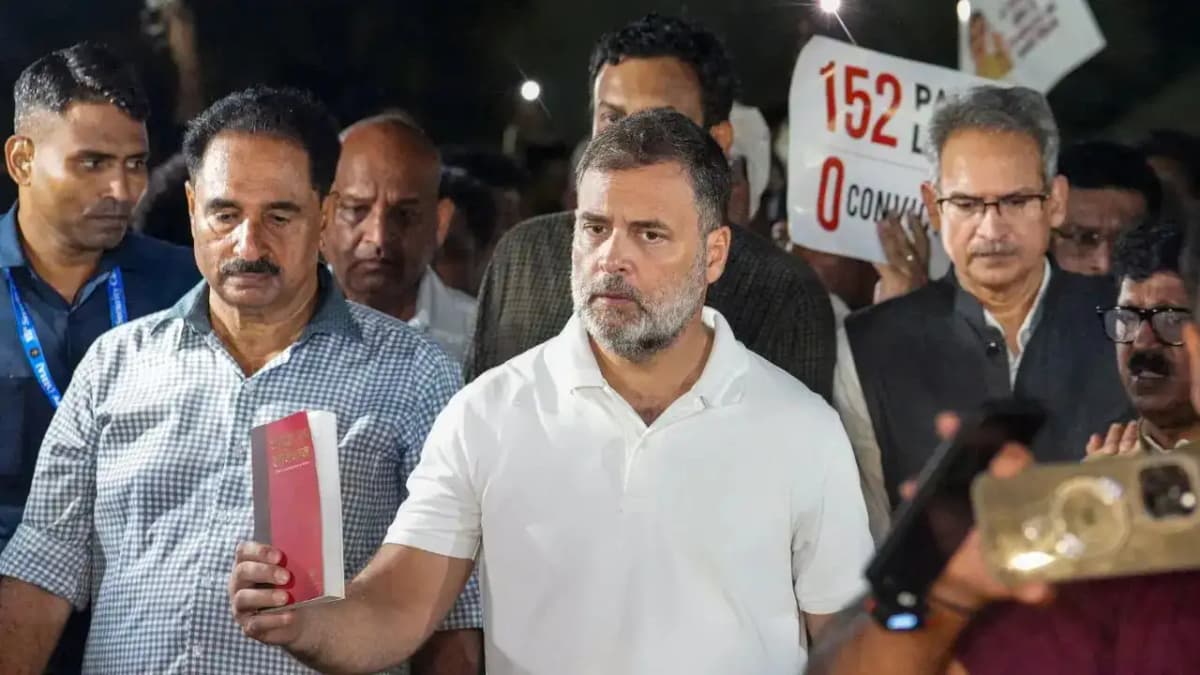
The RSS chief's comments come at a critical juncture as thousands of students are actively protesting against alleged irregularities in examination processes, particularly surrounding the NEET paper leak scandal. This controversy has sparked widespread calls for reforms in the educational system and has led to demands for the resignation of Union Education Minister Dharmendra Pradhan. Bhagwat's reflections on motherhood were particularly poignant, as he described it as the cornerstone of human civilization. He stated that the essence of creation, nurturing, and the continuity of life is fundamentally tied to motherhood. 'A mother is a child’s first teacher and remains a vital source of emotional support throughout their life,' he asserted, emphasizing the role of mothers in shaping their children's thought processes. He urged parents to engage patiently with their children’s inquiries, to continuously expand their own knowledge, and to lead by example, noting that children often learn more from observing behavior than from direct instruction.