

Major Headlines: Student Protests, Cybersecurity Actions, and World Cup Excitement
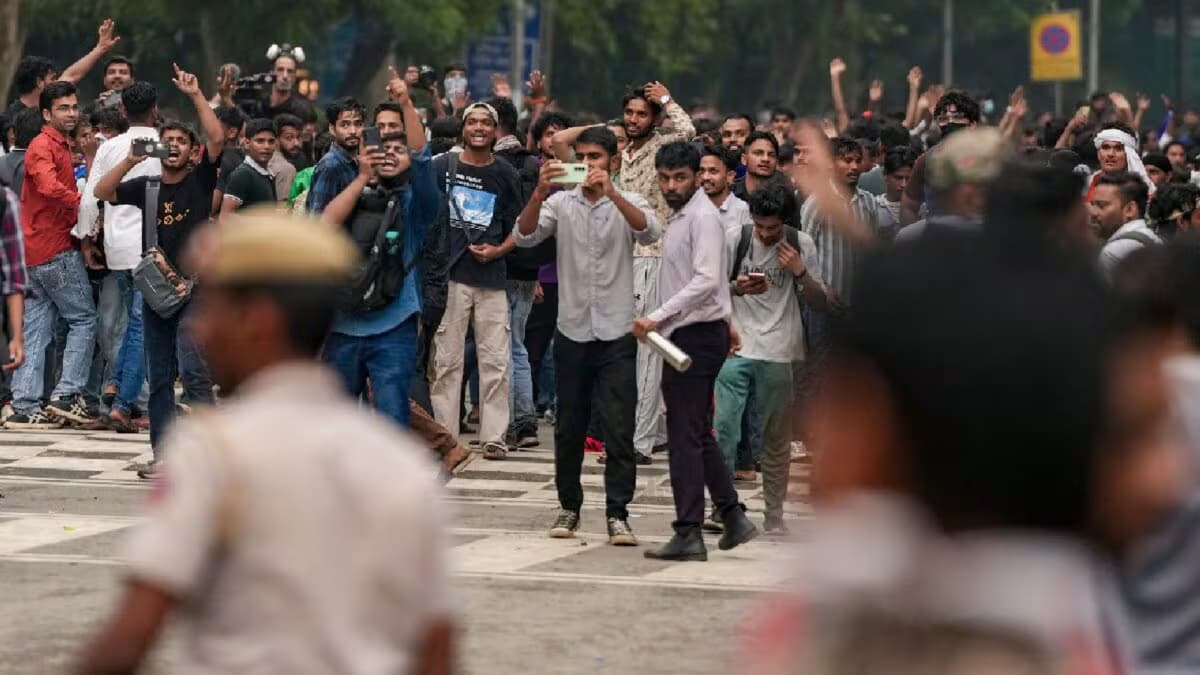
The week spanning july 20 to 24 was marked by significant events that captured both national and international attention, ranging from intense political protest
The week spanning July 20 to 24 was marked by significant events that captured both national and international attention, ranging from intense political protests in India to critical developments in cybersecurity and thrilling sports moments. In New Delhi, a political crisis escalated as student activists organized a large-scale demonstration dubbed 'Sansad Chalo' on July 20, demanding urgent reforms in the education sector and accountability from the government. Thousands of students gathered in the capital as Parliament commenced its Monsoon Session, calling for the resignation of Union Education Minister Dharmendra Pradhan amid allegations of examination leaks and systemic failures in the education system. The protest turned confrontational when police intervened, leading to a heavy-handed crackdown that sparked outrage among opposition leaders, including Rahul Gandhi, who condemned the police's actions and highlighted the injuries sustained by demonstrators. As tensions rose, government officials initiated discussions with student leaders to address the issues at hand. Notably, activist Sonam Wangchuk ended a 26-day hunger strike in support of the movement, emphasizing the students' determination to continue their advocacy until meaningful legislative changes are enacted. Despite the dialogue, student representatives vowed to maintain their campaigns for awareness and accountability across the nation.
In the realm of cybersecurity, the Indian government made headlines with a directive from the Ministry of Home Affairs, targeting the code-hosting platform GitHub. The Indian Cyber Crime Coordination Centre (I4C) mandated the removal of three repositories associated with BitChat, an open-source messaging application that allows encrypted communication via Bluetooth mesh networks. This directive, issued under Section 79(3)(b) of the Information Technology Act, 2000, required GitHub to comply within a mere three hours. Authorities expressed concerns regarding BitChat's lack of central servers and user verification processes, which they argued hinder law enforcement's ability to monitor communications during public disturbances or internet outages. The timing of this action coincided with investigations into the potential use of such messaging apps during recent protests in New Delhi, highlighting the ongoing global debate surrounding privacy, state security, and the regulation of off-grid communication technologies.