







Trump Implements New Tariffs Targeting Forced Labor Imports
In a significant move, president donald trump has introduced new tariffs on a wide range of imports from numerous countries, marking a shift in the united state
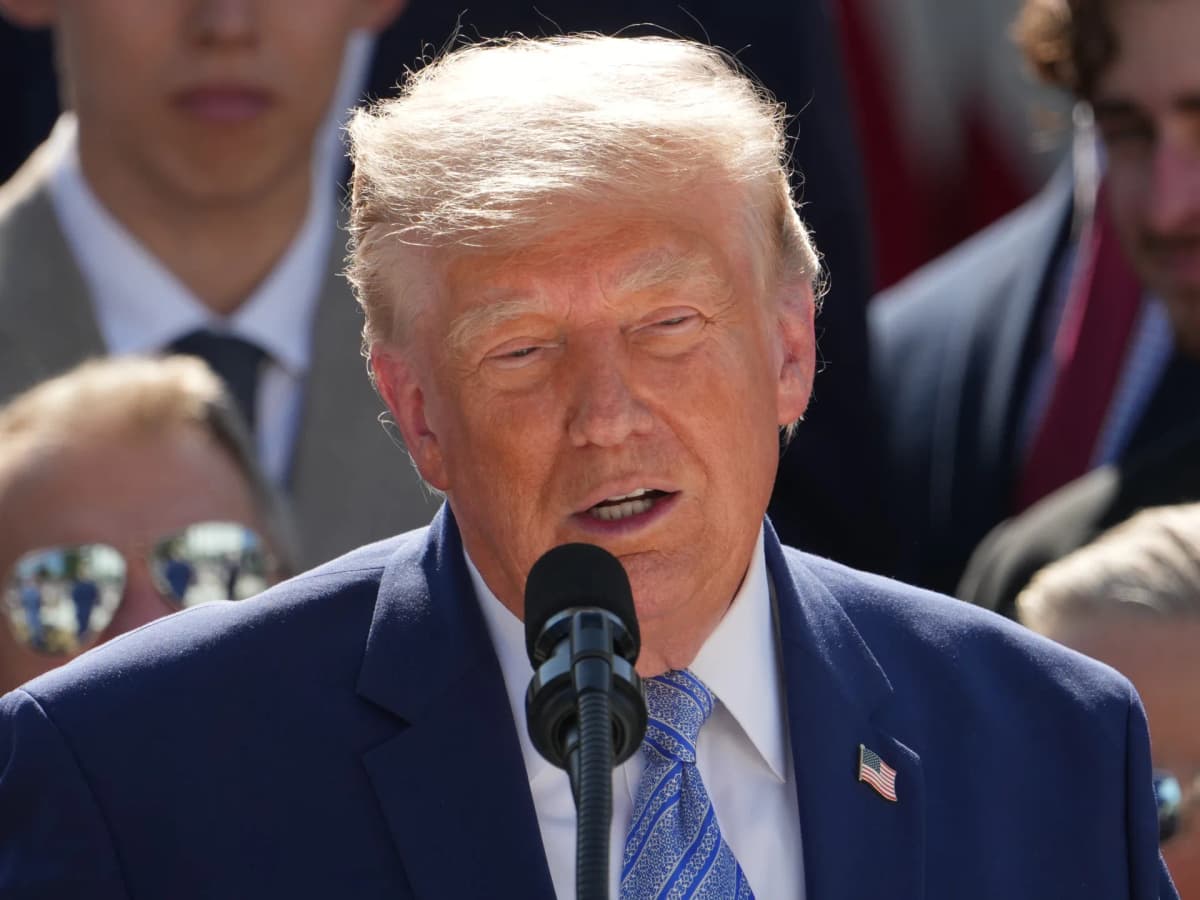
In a significant move, President Donald Trump has introduced new tariffs on a wide range of imports from numerous countries, marking a shift in the United States' trade policy. The tariffs, which range from 10 to 12.5 percent, affect imports from 60 nations that collectively represent 99 percent of all U.S. imports. This decision follows the expiration of temporary tariffs that were previously put in place after a Supreme Court ruling that struck down more extensive tariffs earlier this year. U.S. Trade Representative Jamieson Greer emphasized the importance of enforcing existing bans on goods produced through forced labor, stating that the U.S. has maintained such a ban for nearly a century and it is time for other nations to adhere to similar standards. The newly imposed tariffs are intended to address both human rights violations and unfair trade practices, with the goal of improving conditions for workers globally.
The tariffs took effect immediately after the expiration of the previous 10 percent global tariffs at 12:01 AM on Friday in Washington, D.C. Trump's administration has opted for these more permanent tariffs under Section 301 of the Trade Act of 1974, which allows the president to impose tariffs on countries that engage in trade practices deemed unjust or discriminatory. This approach is reminiscent of Trump's earlier use of Section 301 to impose significant tariffs on China during his first term, which withstood legal challenges. The recent tariffs reflect Trump's ongoing commitment to reviving American manufacturing by imposing higher tariffs, a departure from decades of U.S. trade policy that favored lower tariffs and freer trade. The administration's rationale for these tariffs is rooted in the assertion that the U.S. trade deficit constitutes a national emergency, although this claim has faced scrutiny.