


Trump's New Tariffs Spark Global Backlash: 60 Countries Affected
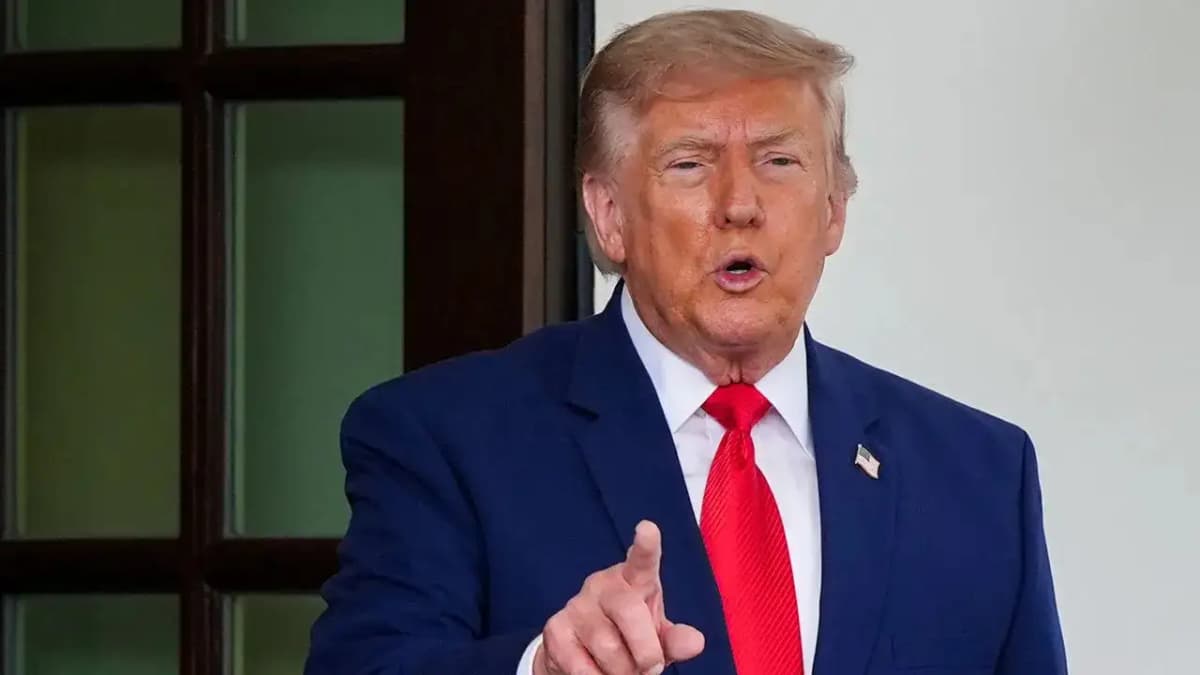
In a significant move, the administration of president donald trump has enacted new tariffs on imports from 60 countries, including major economies such as the
In a significant move, the administration of President Donald Trump has enacted new tariffs on imports from 60 countries, including major economies such as the European Union, China, India, and Japan. This decision, announced on Friday, has ignited strong reactions from various governments worldwide. The U.S. government has justified these tariffs by claiming that the affected nations have not adequately addressed the issue of imports linked to forced labor, a claim that many of these countries have firmly rejected. The newly imposed tariffs of 10% and 12.5% replace a temporary global tariff that expired earlier the same day, allowing the Trump administration to restore a substantial portion of its global tariff framework after the U.S. Supreme Court invalidated previous tariffs that had been implemented under emergency powers earlier this year.
The tariffs, which fall under Section 301 of the U.S. Trade Act of 1974, encompass nearly all imports into the United States, with certain exceptions for products such as oil, gas, fertilizers, specific food items, aircraft and their parts, critical minerals, and goods already subjected to national security tariffs, including steel and aluminum. U.S. Trade Representative Jamieson Greer defended the administration's actions, stating, "The United States has had a forced labor import ban for nearly a century, and rigorously enforces it. It's well past time for our trading partners to do the same." He emphasized that the current measures aim to rectify what he described as both a human rights violation and a trade distortion, ultimately benefiting workers globally. The U.S. has imposed a 10% tariff on imports from several countries, including Argentina, Bangladesh, Canada, and India, among others, citing their insufficient enforcement of bans on forced labor imports. Meanwhile, countries like China and Vietnam face a higher tariff rate of 12.5% due to their perceived failure to adequately combat forced labor-linked imports.