





South India Emerges as a Leader in Deep-Tech Innovation
The deep-tech landscape in south india is rapidly evolving, establishing itself as a significant hub for innovation and technology. during a recent panel discus
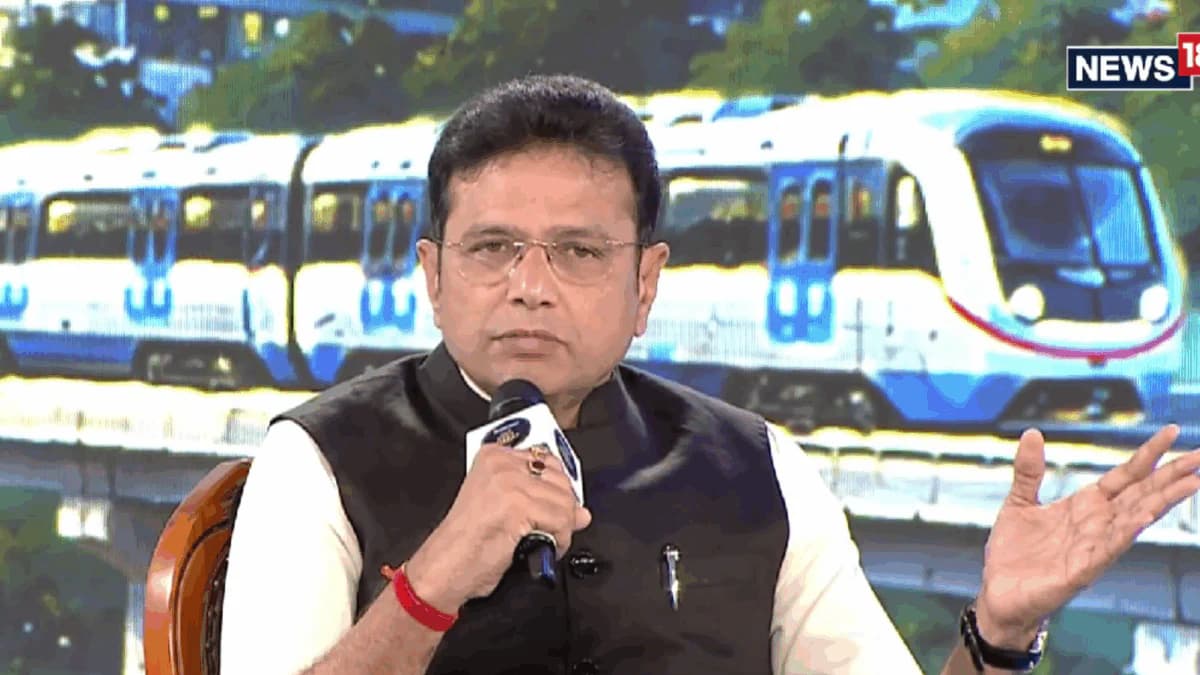
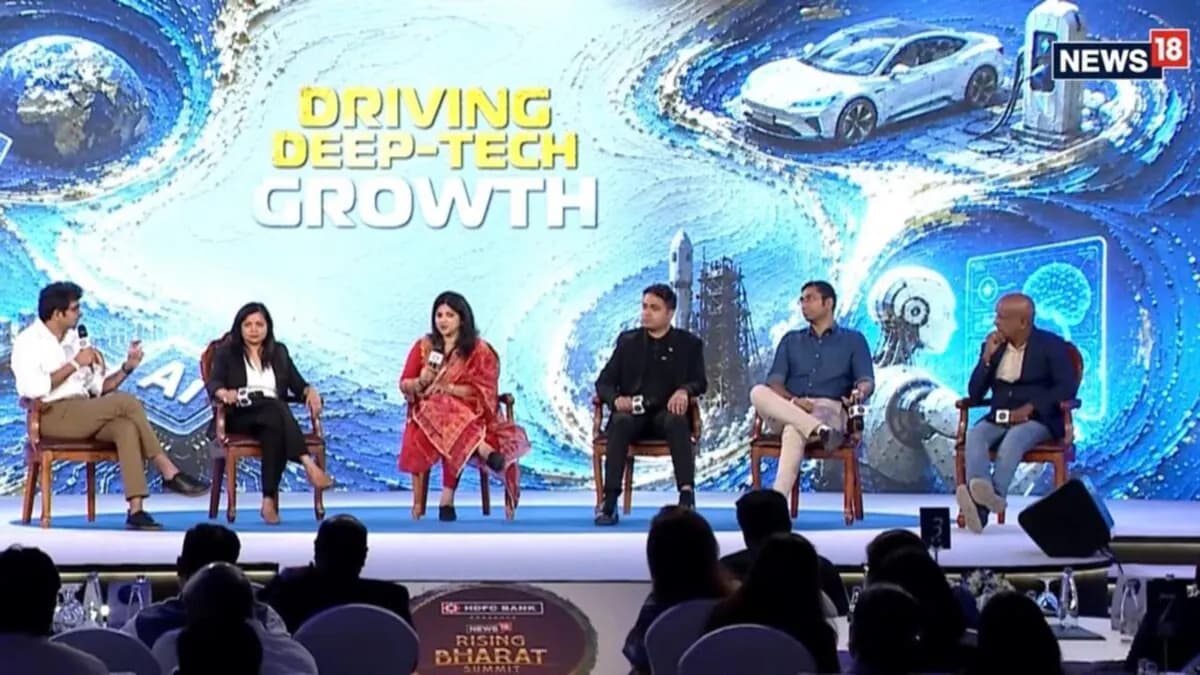
The deep-tech landscape in South India is rapidly evolving, establishing itself as a significant hub for innovation and technology. During a recent panel discussion at the News18 Rising Bharat Summit in Bengaluru, industry experts highlighted the remarkable advancements within India's deep-tech ecosystem. The event, titled 'How South India is Driving the Country’s Deep-Tech Ambitions,' featured prominent figures such as Kavikrut, CEO of T-Hub; Sanjay Nekkanti, founder and CEO of Dhruva Space; Kaushik Mudda, co-founder and CEO of Ethereal Machines; Bhaktha Keshavachar, founder and CEO of Chara Technologies; and Poulami Chaudhuri, co-founder and CEO of Helex. These leaders shared insights into the factors propelling the region's growth and the vital role of government support in fostering innovation. Sanjay Nekkanti emphasized the significant strides made in India's deep-tech sector, noting that the country has made substantial progress over the years. He drew parallels with the global space industry, pointing out that private companies in the United States are launching thousands of satellites, showcasing the complexity of space technology as a multidisciplinary engineering field. Nekkanti credited government initiatives, particularly the Research Development and Innovation Fund (RDIF), for stimulating innovation within the sector. He remarked, 'We are also the beneficiaries of RDIF. That way it’s very exciting to solve for these problems. And these pushes from the government to innovate are invaluable.' He further explained that early government backing has been instrumental in helping deep-tech startups scale their operations, with some companies now boasting impressive order books and pipelines. Kaushik Mudda echoed these sentiments, stating that government policies and funding initiatives have significantly improved the prospects for deep-tech startups. He expressed gratitude towards the central government for the RDI funding, noting that deep-tech has become a highly regarded sector. Mudda highlighted the increasing recognition of deep-tech, attributing it to favorable government policies and investments. He also mentioned the growing interest from venture capital firms, emphasizing the importance of careful capital allocation due to the lengthy research and development cycles inherent in deep-tech businesses. He cautioned that investors must differentiate between genuine interest and the fear of missing out (FOMO) when considering investments in the sector. Mudda also pointed out that global manufacturers are seeking to diversify their supply chains away from China, creating new opportunities for Indian companies. He shared that a significant portion of his revenue now comes from exports, indicating a shift in the market dynamics. Kavikrut, CEO of T-Hub, noted that venture capitalists are increasingly viewing deep-tech as a promising opportunity, despite its long gestation period. He remarked that VCs are eager to invest in the next frontier of technology, and deep-tech is a sector that requires patience from investors. Kavikrut emphasized the need for Hyderabad to cultivate more startup success stories to inspire future entrepreneurs, suggesting that the presence of startup heroes is crucial for the region's growth. Bhaktha Keshavachar pointed out that while Bengaluru has advantages in terms of talent and location, India needs more innovation hubs to accelerate deep-tech development. Finally, Poulami Chaudhuri highlighted Telangana's burgeoning life sciences ecosystem, noting the state's strong infrastructure and supportive policies. She mentioned that Telangana is recognized as the vaccine capital, thanks to its robust ecosystem and government support, which further enhances the region's appeal for deep-tech ventures.