









The Rise of Healthy Eating in Corporate India: A New Workplace Trend
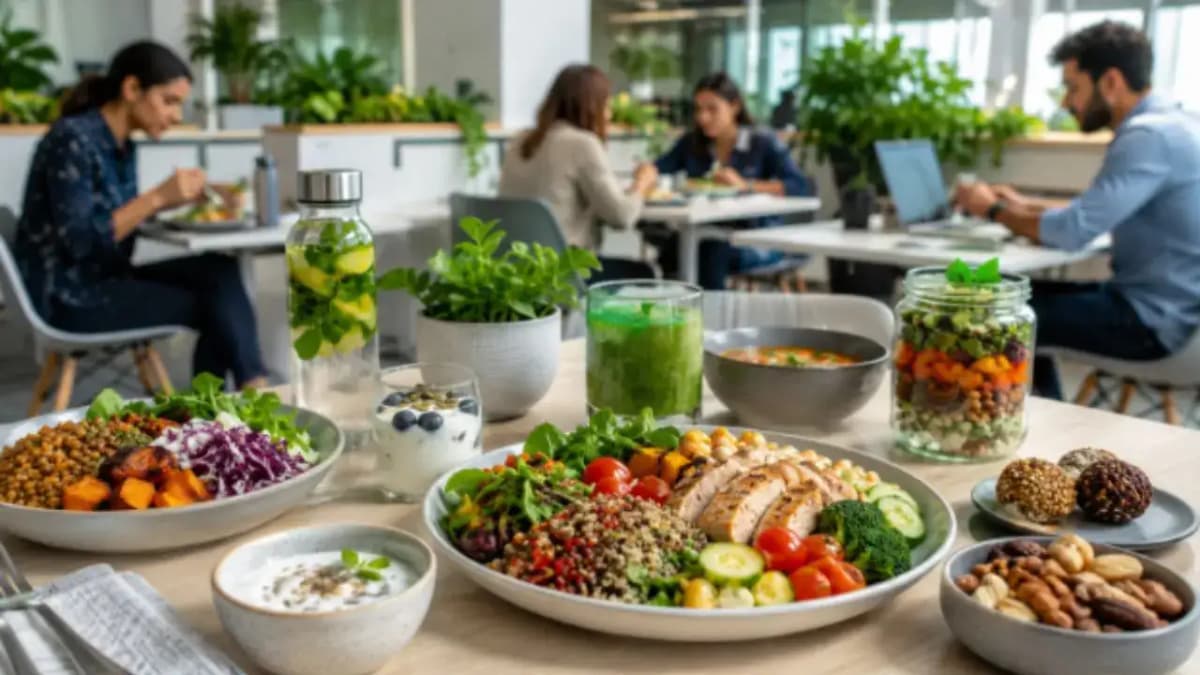
The contemporary work environment is experiencing a subtle yet significant transformation in health consciousness, particularly evident in the meals offered at
The contemporary work environment is experiencing a subtle yet significant transformation in health consciousness, particularly evident in the meals offered at office cafeterias. Across various corporate sectors in India, employees are increasingly opting for nutritious options, such as protein-rich foods, millet-based dishes, and gut-friendly selections, moving away from traditional comfort foods. This trend is indicative of a broader emphasis on preventive health measures, enhanced productivity, and overall well-being. Sandipan Mitra, the Co-founder and CEO of HungerBox, emphasizes that food choices have emerged as a vital sign of employee wellness. He states, 'Corporate India has spent years measuring employee engagement through surveys and town halls. Yet one of the most revealing indicators of employee well-being has been in plain sight all along—the workplace cafeteria.' This shift in dietary preferences aligns with a growing awareness of health issues, as highlighted by the ICMR's alarming report that 41 million children in India are overweight, underscoring the urgent need for a change in food habits.
The demanding nature of modern work life often leads employees to gravitate towards unhealthy snacks, quick fried meals, or even skipping lunch altogether. However, as companies invest more resources into workplace wellness initiatives, healthier eating habits are becoming more prevalent. An analysis by HungerBox identifies seven meal categories that are swiftly gaining traction among office workers. For instance, salad bowls filled with lean proteins like chicken, tofu, and egg whites, alongside quinoa, seeds, and roasted vegetables, have become popular lunchtime choices. These meals not only provide lasting energy but also support muscle health and help prevent the dreaded post-lunch slump. Additionally, plant-based meals that incorporate legumes, vegetables, whole grains, and dairy-free options are becoming standard fare, as employees seek both health benefits and sustainable eating practices. Traditional Indian grains such as ragi, jowar, and bajra are witnessing a resurgence, recognized for their high fiber content and nutritional value, replacing many refined grains in workplace cafeterias.