



CJP's Role in Student Movements: Navigating Responsibility and Change
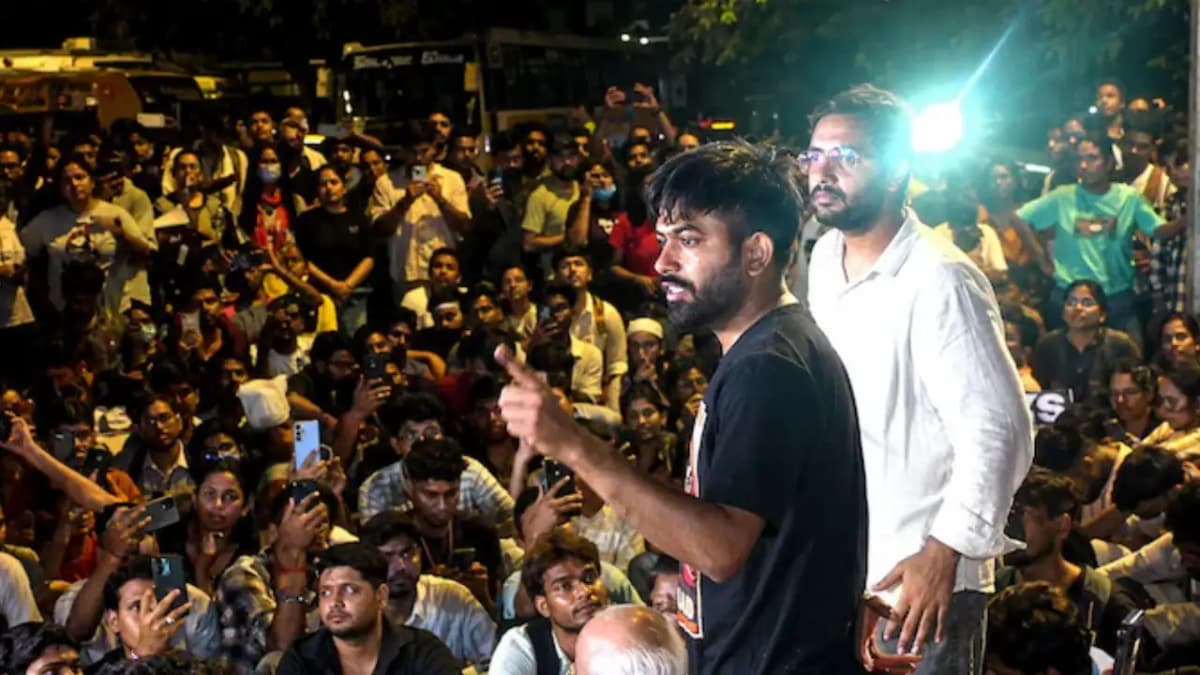
As the movement led by the citizens for justice and peace (cjp) gains momentum, its founder abhijeet dipke and his team are faced with the critical task of exer
As the movement led by the Citizens for Justice and Peace (CJP) gains momentum, its founder Abhijeet Dipke and his team are faced with the critical task of exercising greater caution in their messaging. The events that transpired during the Chalo Sansad protest on July 20 serve as a stark reminder of the complexities involved in mobilizing large groups for a cause. Initially, students gathered with the hope of engaging in a peaceful demonstration, only to be met with aggressive police tactics, including tear gas, water cannons, and physical confrontations. Disturbing footage surfaced, showing not only students but also individuals who did not appear to belong to the student body clashing with law enforcement, pushing barricades, and even confronting journalists. This chaotic scene raised serious concerns about the safety of those involved, particularly women, who were reported to have faced mishandling during the protests. While the police claimed to have recovered weapons from some participants, it is essential to note that these actions were not orchestrated by the CJP leadership. However, the situation highlights a crucial lesson: as movements grow, they inevitably attract individuals with varying agendas that may diverge from the original intent of the students. This underscores the importance of strong leadership in guiding the movement's direction and maintaining its focus on the core issues at hand.
The NEET protests, which emerged from genuine grievances about examination integrity, have seen students feeling increasingly disillusioned due to paper leaks and a lack of timely accountability from the government. In this context, CJP has become a vital voice for many young individuals seeking representation and support. However, as the movement has evolved, it has also attracted political parties and various ideological factions, complicating the narrative and shifting the focus away from the educational concerns that initially sparked the protests. The dialogue surrounding these protests has become more charged, with slogans and rhetoric that stray from the original demands, leading to a sense of hostility that detracts from the goal of reforming India's examination system. This shift is a cause for concern, particularly for leaders like Dipke, who must navigate the delicate balance between amplifying student voices and ensuring that the movement does not lose its way amidst external influences.