





Oil Prices Surge as Houthi Blockade Impacts Red Sea Shipping

As oil prices surged to $100 per barrel on thursday, analysts are closely monitoring the situation in the red sea, particularly the movements of tankers in ligh
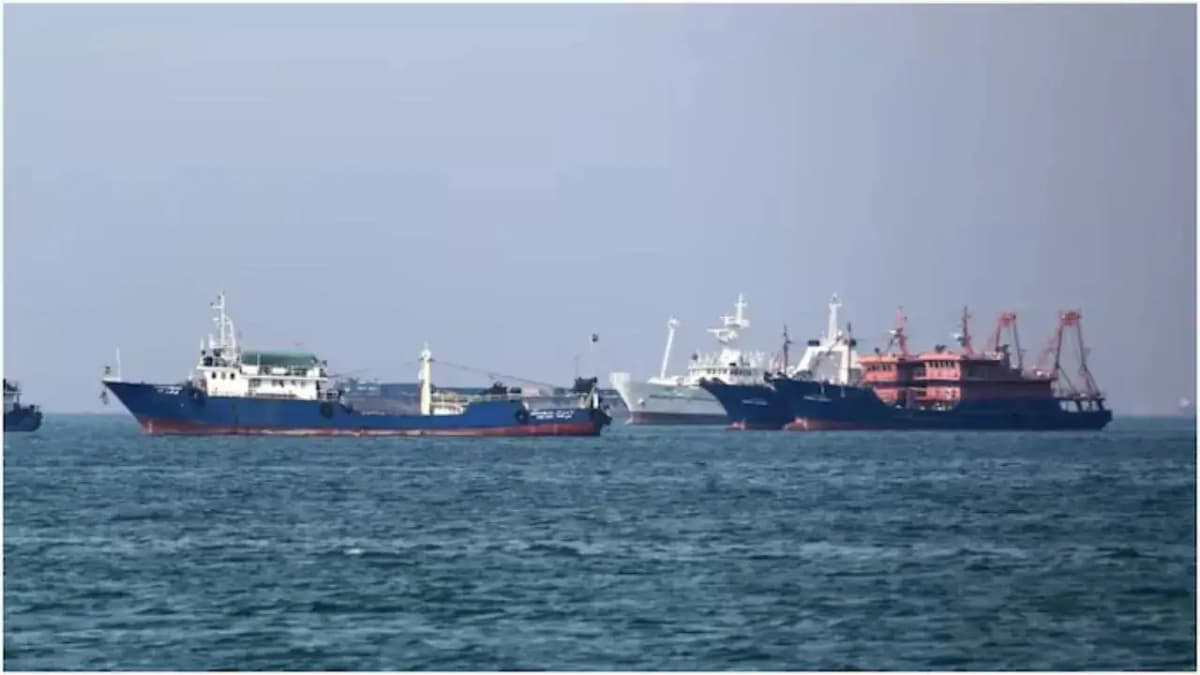
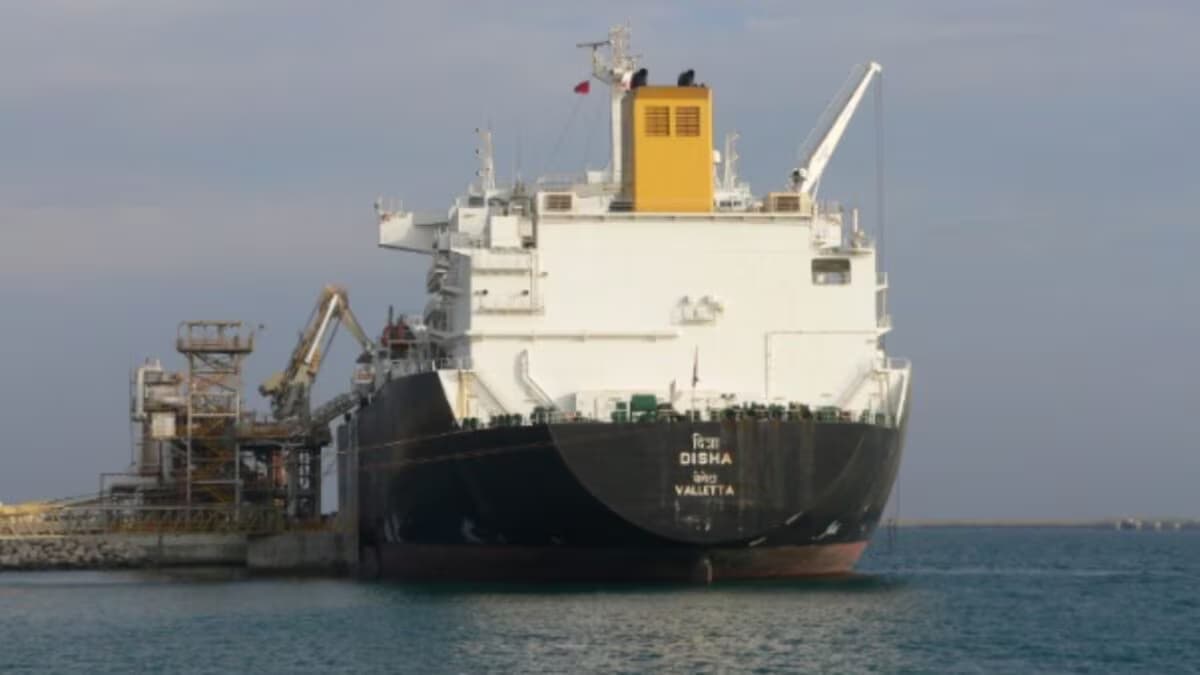
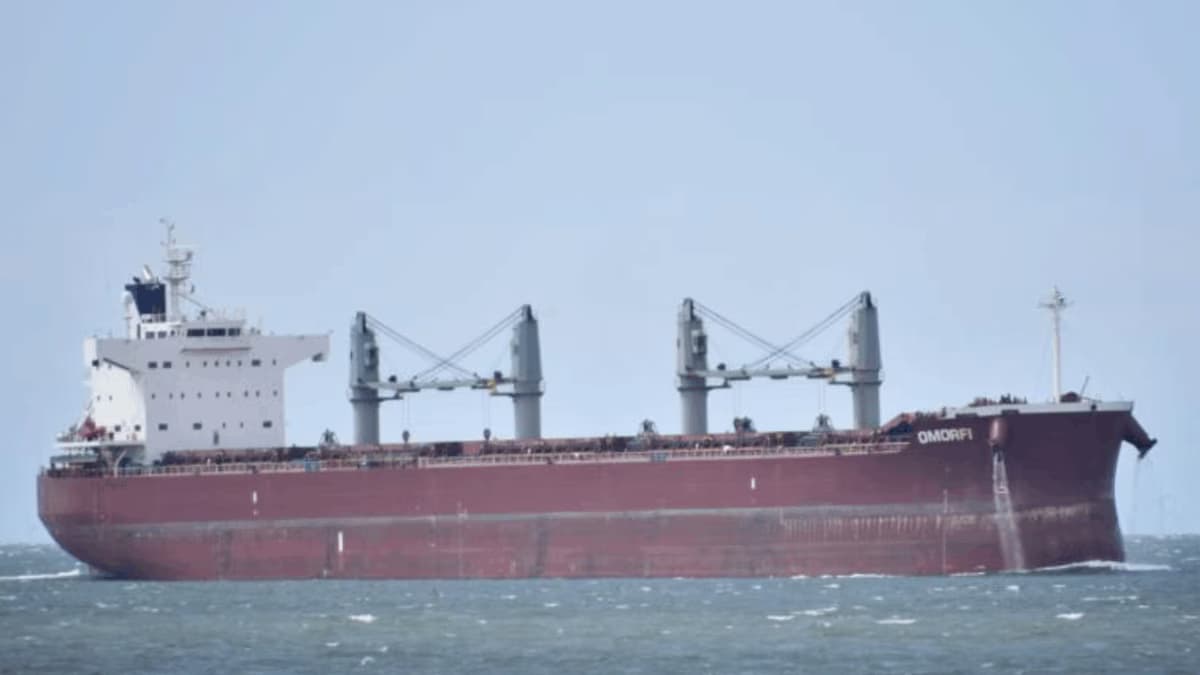
As oil prices surged to $100 per barrel on Thursday, analysts are closely monitoring the situation in the Red Sea, particularly the movements of tankers in light of the recent blockade imposed by Yemen's Houthi movement. The increase in Brent crude futures, which rose by $6.58 or 6.96 percent, marks the first time prices have exceeded the $100 threshold since late May. This price spike is largely attributed to the Houthis' announcement of a naval blockade on shipments from Saudi Arabia, which they declared in response to the ongoing tensions with the United States and Israel. The Houthis have threatened to target vessels associated with these nations in the Bab el-Mandeb Strait, a crucial maritime route connecting the Red Sea to the Indian Ocean. On Thursday, reports emerged that the Houthis had attacked two Saudi oil tankers, with one confirmed to have caught fire, raising concerns about the safety of maritime operations in the region.
Experts are particularly focused on the implications of the Houthi blockade for global oil supply and pricing. Michelle Bockmann, a senior maritime intelligence analyst at Windward, emphasized the unpredictable nature of the Houthis, noting that their actions can significantly influence oil market reactions. The current situation has led to heightened scrutiny of Chinese-owned tankers operating out of the Saudi port of Yanbu, with two vessels having successfully passed through the Bab el-Mandeb Strait prior to the blockade announcement. Historically, the Houthis have relied on China for various supplies, including drone components, which may complicate the enforcement of the blockade. Windward's tracking data indicates that cargo originating from Saudi Arabia but manned by Chinese crews has been able to navigate the chokepoint without interference, suggesting that the blockade's enforcement may be more about affiliations than the actual cargo being transported.