




Gaza Residents Struggle to Preserve Food Amid Electricity Crisis
In the heart of gaza, malak al-zaanin, a mother of four, faces the daunting challenge of keeping food from spoiling in the oppressive heat. displaced from her h
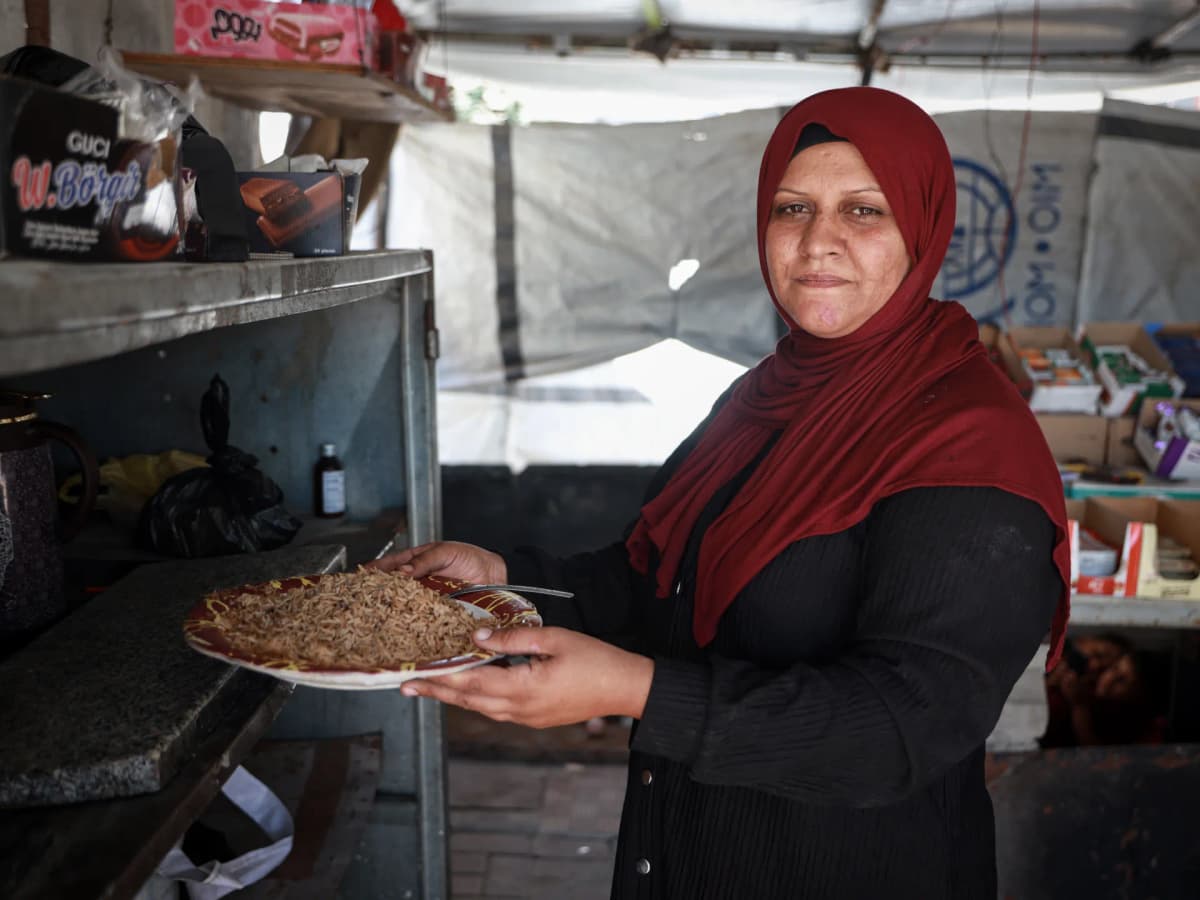
In the heart of Gaza, Malak al-Zaanin, a mother of four, faces the daunting challenge of keeping food from spoiling in the oppressive heat. Displaced from her home, she now resides in a tent where the absence of electricity has rendered her refrigerator useless. After receiving a tray of rice from a community kitchen, her immediate concern is how to store the leftovers, knowing that without proper refrigeration, they are likely to spoil quickly. "The children will be hungry again soon and ask for food," she laments, highlighting the grim reality faced by many families in the region. The ongoing conflict has exacerbated an already dire food crisis, with UN agencies warning that the combination of extreme temperatures and prolonged power outages increases the risk of foodborne illnesses, particularly among those who have been displaced. The United Nations Office for the Coordination of Humanitarian Affairs (OCHA) has reported critically low fuel supplies, estimating that only a fraction of the diesel needed for essential services has entered Gaza, further complicating the situation for families like Malak's.
Malak's struggle is emblematic of a broader issue affecting countless mothers across Gaza, who are not only tasked with securing food for their families but also face the heartbreaking reality of watching it spoil due to the lack of refrigeration. "We barely manage to secure food for our children," she states, expressing the frustration of witnessing their meals go to waste. In addition to the heat, stored food is increasingly at risk from pests and rodents that thrive in the overcrowded displacement camps, where sanitation is often inadequate. Malak has repurposed her refrigerator as a makeshift storage unit for aid supplies, as the cost of refrigeration services is prohibitive and often unavailable. She recalls a time when her family had to discard leftover rice after a meal because there was no way to store it, a painful reminder of their current reality. Occasionally, she manages to buy a cool bag of water, but more often than not, they are left with only warm water from a tank exposed to the sun.