


Women Face Grave Risks Collecting Water in Sudan Amid Ongoing Conflict
In the besieged city of al-obeid, sudan, women and girls are confronted with harrowing choices as they attempt to collect water, according to a recent report fr
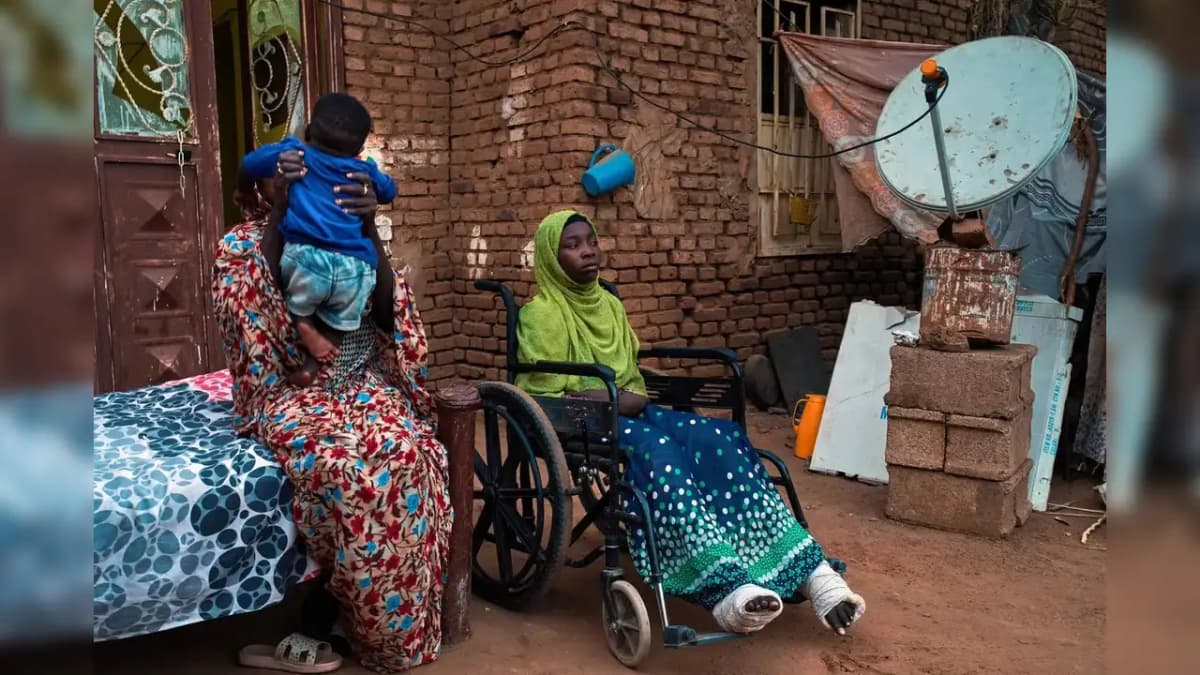
In the besieged city of al-Obeid, Sudan, women and girls are confronted with harrowing choices as they attempt to collect water, according to a recent report from UN Women. The ongoing civil war in Sudan has now entered its fourth year, resulting in one of the most severe humanitarian crises globally. Al-Obeid, the capital of North Kordofan, has endured siege-like conditions for nearly 18 months, with continuous clashes between the Sudanese army and the paramilitary Rapid Support Forces (RSF). The report highlights that relentless drone strikes targeting water sources during daylight hours have compelled many women and girls to venture out after dark, significantly increasing their vulnerability to harassment, sexual assault, and other forms of violence. "These women and girls have faced harassment, rape, and various forms of sexual violence while trying to secure water, a basic necessity of life," the report states, underscoring the dire situation they face daily.
The UN High Commissioner for Human Rights, Volker Türk, has previously warned of an unfolding "human rights catastrophe" in al-Obeid, citing the ongoing drone strikes, critical shortages of clean water, and severely limited access to food and healthcare. He expressed concern that the city might witness atrocities reminiscent of those reported in al-Fashir, North Darfur, last year. The report indicates that approximately 12.7 million women and girls across Sudan will require support services related to gender-based violence this year, a staggering increase from the figures recorded at the onset of the conflict. Al-Obeid is home to around 500,000 residents, with nearly 70% being women and children, further emphasizing the disproportionate impact of the crisis on these vulnerable groups.