






CJP Raises Concerns Over Facial Recognition Vans at Jantar Mantar Protests
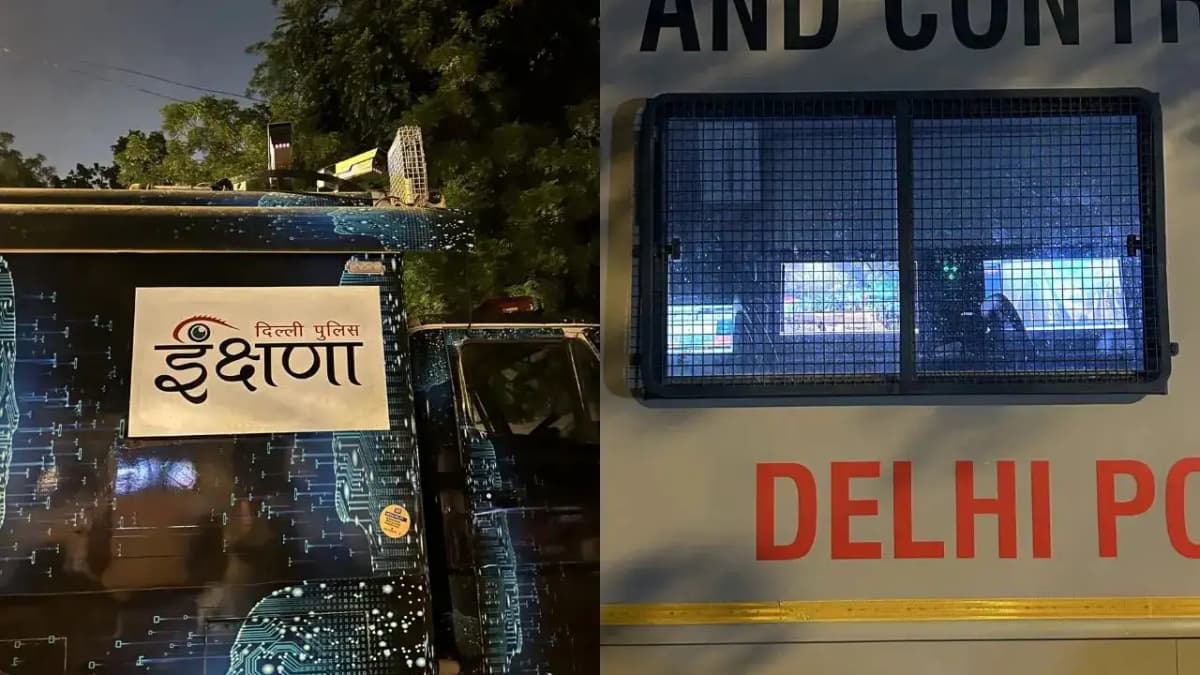
On friday, the cockroach janta party (cjp) expressed serious concerns regarding the deployment of facial recognition vans by the delhi police at the jantar mant
On Friday, the Cockroach Janta Party (CJP) expressed serious concerns regarding the deployment of facial recognition vans by the Delhi Police at the Jantar Mantar protest site. The party highlighted issues surrounding privacy invasion and the potential misuse of biometric data collected from protesters. In a social media post, CJP emphasized that the area designated for protests should not be treated as a 'digital open-air prison.' They raised critical questions about the legal framework that allows for the alleged live scanning of individuals participating in the demonstrations. The organization underscored the importance of privacy, referencing the Supreme Court's ruling that recognized privacy as a fundamental right in the landmark Puttaswamy case. CJP argued that the mass scanning of citizens exercising their constitutional right to protest is fundamentally unconstitutional and raises significant ethical concerns.
CJP's social media statements included pointed inquiries about the origins of the data being used for facial recognition. They questioned how artificial intelligence systems are capable of identifying young protesters in real-time and whether national databases, Aadhaar records, and public registries are being improperly cross-referenced to target individuals. The organization also expressed alarm over the potential weaponization of this data, asking who is responsible for storing the facial scans and for how long this information would be retained. They raised concerns about the possibility of secret registries being created to intimidate and suppress students who are advocating for accountability in governance. The protests at Jantar Mantar, which have seen escalating tensions between demonstrators and law enforcement, are part of a larger movement against alleged paper leaks, and have garnered significant youth participation, led by CJP and supported by activist Sonam Wangchuk.