


Families of Injured Delhi Police Personnel Share Their Stories Amid Protest Violence
In a poignant display of emotion, family members of delhi police officers injured during the violent protests on july 20 have stepped forward to share their har
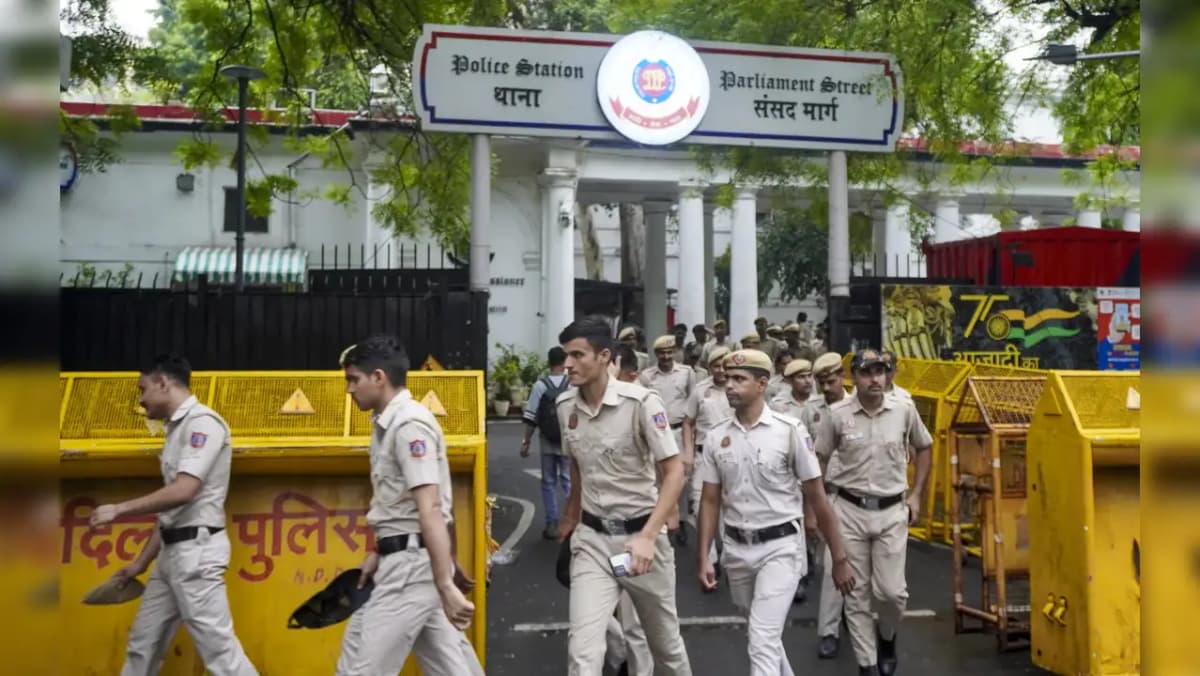
In a poignant display of emotion, family members of Delhi Police officers injured during the violent protests on July 20 have stepped forward to share their harrowing experiences. This comes as a response to what they describe as a skewed narrative propagated by the Cockroach Janta Party, which they believe has overshadowed the suffering and sacrifices of police personnel. At a press conference held in Delhi on Friday, these families recounted the brutal attacks their loved ones faced while performing their duties, emphasizing the need for a more balanced portrayal of the events that transpired at Jantar Mantar. A video presentation showcased the injuries sustained by the officers, further highlighting the physical toll of the clashes that erupted as protesters attempted to march towards Parliament. According to police reports, over 130 officers were injured during the unrest, a significant increase from earlier estimates that indicated around 118 injuries among security personnel.
Among those who spoke was Kunjal, a student at Delhi University and daughter of a Sub-Inspector, who detailed her father's traumatic experience on the frontlines. She explained that her father was violently pulled by the crowd and suffered a severe head injury that required four stitches. "Despite his injuries, social media has painted him as the antagonist in this situation," she lamented. Similarly, Lakshay Singh Bisht, whose father serves as an Assistant Sub-Inspector, recounted the distressing moment he learned about his father's condition. "He was also stationed at the frontline, and I later found out he needed treatment that involved shaving his head due to the stitches. My family has been deeply affected by this incident," he shared. Lakshay expressed frustration at the prevailing narrative online, stating, "There is a lack of discussion about the violence faced by police officers during the protests, and it feels like their suffering is being ignored."

Seema, the wife of an injured ASI, described the moment she received a phone call from her husband amidst the chaos. He informed her that a large crowd had gathered and that he had been attacked by unruly elements within the protest. "I was terrified when I learned he was admitted to LNJP Hospital. I kept worrying about what could have happened if he had been hit by another stone," she recounted, illustrating the fear and uncertainty that families of police personnel endure. This press conference is part of a broader conversation regarding the events of July 20, where both protesters and police sustained injuries. The families of the injured officers are increasingly vocal about the dangers their loved ones face while on duty, with some even seeking legal recourse through the Supreme Court to ensure better protection and accountability for police personnel. Their testimonies serve as a reminder of the complexities surrounding public protests and the often-overlooked sacrifices made by law enforcement officers in maintaining order during such events.