


Parliament's Silence on NEET Paper Leak Amid Ongoing Protests
The ongoing monsoon session of parliament has concluded without any discussions regarding the neet paper leak, despite the escalating protests outside. students
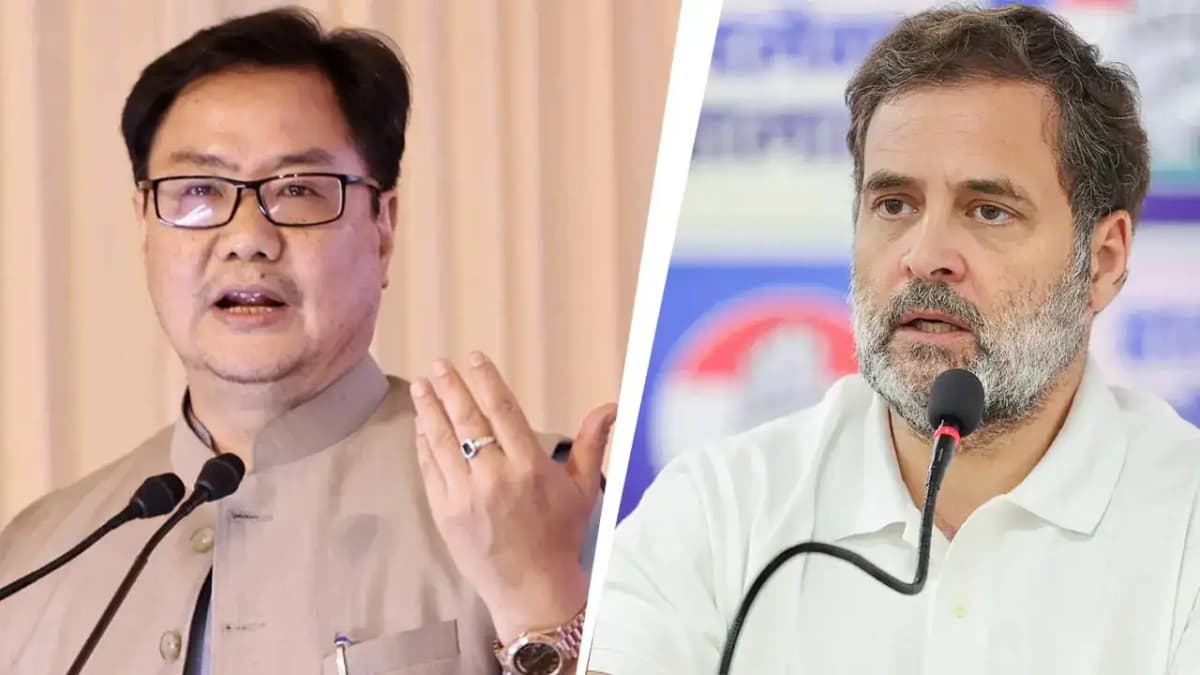
The ongoing Monsoon Session of Parliament has concluded without any discussions regarding the NEET paper leak, despite the escalating protests outside. Students across the nation have taken to the streets, particularly at Delhi's Jantar Mantar, where thousands have gathered to voice their concerns over the alleged leak. This issue has become a focal point of political contention, with both the government and the Opposition trading accusations over the lack of dialogue. The absence of a debate in Parliament has left many questioning the effectiveness of the legislative body in addressing significant issues affecting students. The deadlock in Parliament is not due to a lack of interest in discussing the NEET controversy; rather, it stems from a disagreement over the terms under which such a discussion should occur. The government has expressed its willingness to engage in a debate at any time and for any duration, asserting that it has met the Opposition's demands for discussion. However, the Opposition has insisted that any debate must be contingent upon the resignation of Union Education Minister Dharmendra Pradhan. This condition has become a major sticking point, preventing any meaningful dialogue from taking place. Rahul Gandhi, the Leader of the Opposition, has articulated three specific conditions that must be met for the debate to proceed: the resignation of Pradhan, the discussion must occur under Rule 193, which allows for a structured debate on matters of public importance, and the presence of Prime Minister Narendra Modi during the discussion. Opposition leaders, including Congress president Mallikarjun Kharge, argue that engaging in a debate without first addressing accountability would be futile. On the other hand, the government maintains that it has not refused to debate the issue, with Union Parliamentary Affairs Minister Kiren Rijiju asserting that the Centre is open to discussing the NEET controversy. Rijiju has criticized the Opposition for disrupting Parliament instead of participating in the debate they have called for, emphasizing that refusing to discuss a matter that impacts countless students sends the wrong message. Outside the parliamentary walls, the protests have intensified, with demonstrators demanding justice and the resignation of Pradhan. Allegations of police brutality during attempts to disperse the crowds have further complicated the situation, transforming the NEET controversy into a significant political flashpoint. As the Monsoon Session wraps up without any resolution, the standoff continues both inside the Parliament and on the streets, where students remain steadfast in their demands for accountability and answers. The lack of a debate on such a critical issue raises concerns about the responsiveness of the legislative process to pressing public matters. With both sides entrenched in their positions, the future of the NEET discussion remains uncertain, leaving students and their supporters anxious for a resolution to this contentious issue.