



Parliament Stalemate Over NEET Paper Leak: Financial Implications Explored
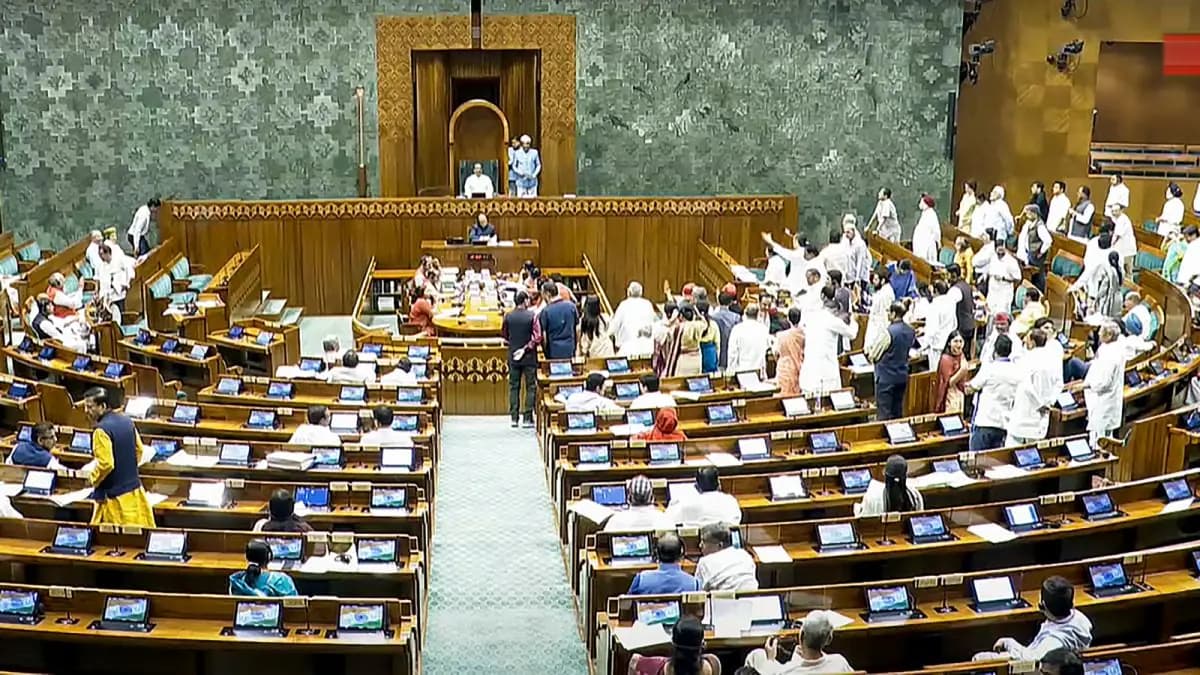
The indian parliament has faced a significant operational impasse for the fifth consecutive day, primarily due to ongoing protests from opposition members regar
The Indian Parliament has faced a significant operational impasse for the fifth consecutive day, primarily due to ongoing protests from Opposition members regarding the NEET paper leak controversy. This situation has resulted in repeated adjournments in both the Lok Sabha and Rajya Sabha, further complicating the legislative agenda and incurring substantial financial costs associated with the stalled proceedings. Despite the government's repeated invitations for dialogue, the deadlock persists, highlighting the complexities of political negotiations in the current climate.
Union Parliamentary Affairs Minister Kiren Rijiju has publicly called for the Opposition to allow legislative business to resume, emphasizing that Prime Minister Narendra Modi has committed to introducing a robust law aimed at preventing such paper leaks in the future. Rijiju specifically urged Rahul Gandhi, the Leader of the Opposition, to encourage his party members to engage in discussions rather than demanding the resignation of Union Education Minister Dharmendra Pradhan as a prerequisite for dialogue. However, the Opposition has remained resolute, continuing their protests within the parliamentary chambers and demanding accountability from the government, which has led to the Lok Sabha being adjourned until Monday.