




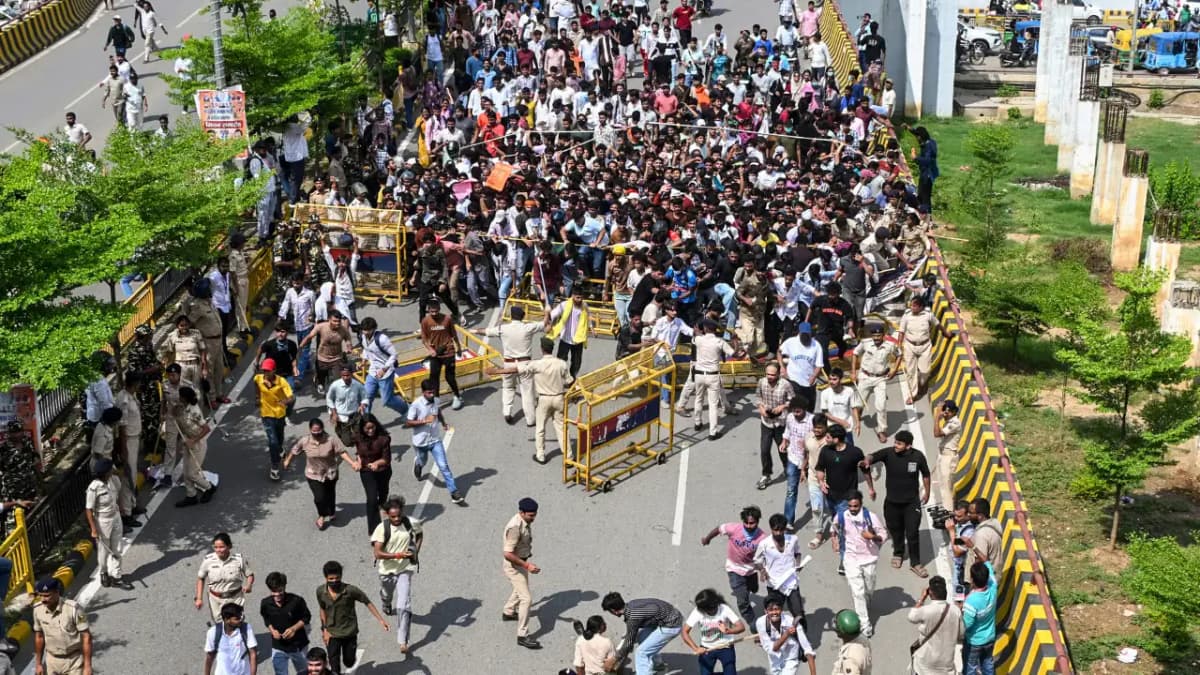
Supreme Court Prohibits Sharing Court Proceedings on Social Media Without Approval
The supreme court of india has issued a significant ruling prohibiting the uploading and sharing of audio and video recordings of court proceedings on social me
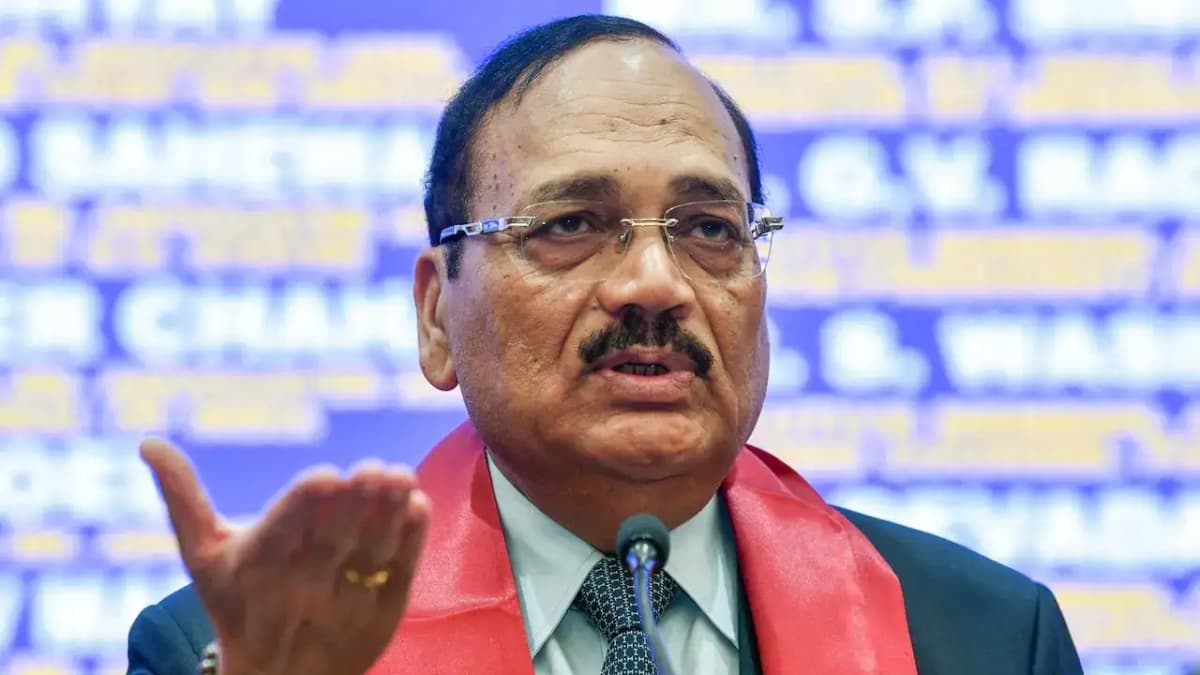
The Supreme Court of India has issued a significant ruling prohibiting the uploading and sharing of audio and video recordings of court proceedings on social media and other digital platforms without prior authorization. The court emphasized that judicial proceedings should not be treated as continuous entertainment, highlighting the need for decorum and respect for the legal process. The ruling came from a bench led by Chief Justice Surya Kant, alongside Justices Joymalya Bagchi and V Mohana, who acknowledged the growing concern over the misuse of such recordings. They passed an interim order while agreeing to hear a petition aimed at preventing unauthorized extraction, alteration, dissemination, or monetization of these recordings. The bench stated that, as an interim measure, no audio-video recordings of court proceedings should be posted, reposted, or uploaded on any social media platform without the express permission of the court's secretary general or the registrar general of the relevant high courts. However, the court clarified that this order would not impede the ability of news outlets to report on court proceedings, ensuring that the media's role in informing the public remains intact.
The Supreme Court's decision also involved issuing notices to the central government and various social media platforms, requesting their responses to the petition filed by journalist Harshita Grover. Senior advocate Vikas Singh, representing the petitioner, underscored the importance of the issue, pointing out that selective and edited clips of court proceedings have been circulating widely on social media, often taken out of context. The bench recognized that regulating digital content has emerged as a significant challenge in the contemporary landscape. Chief Justice Kant remarked that courts should not function as 24/7 entertainment channels, emphasizing the necessity for limited access to court recordings. Solicitor General Tushar Mehta supported Singh's arguments, advocating for the establishment of regulations to prevent misuse. Singh referenced a specific incident from July 10, where a litigant disrupted a court session, leading to a video of the event being shared widely on social media, turning a serious matter into a source of ridicule.