








AI Revolutionizes Back-To-School Shopping Experience in 2026
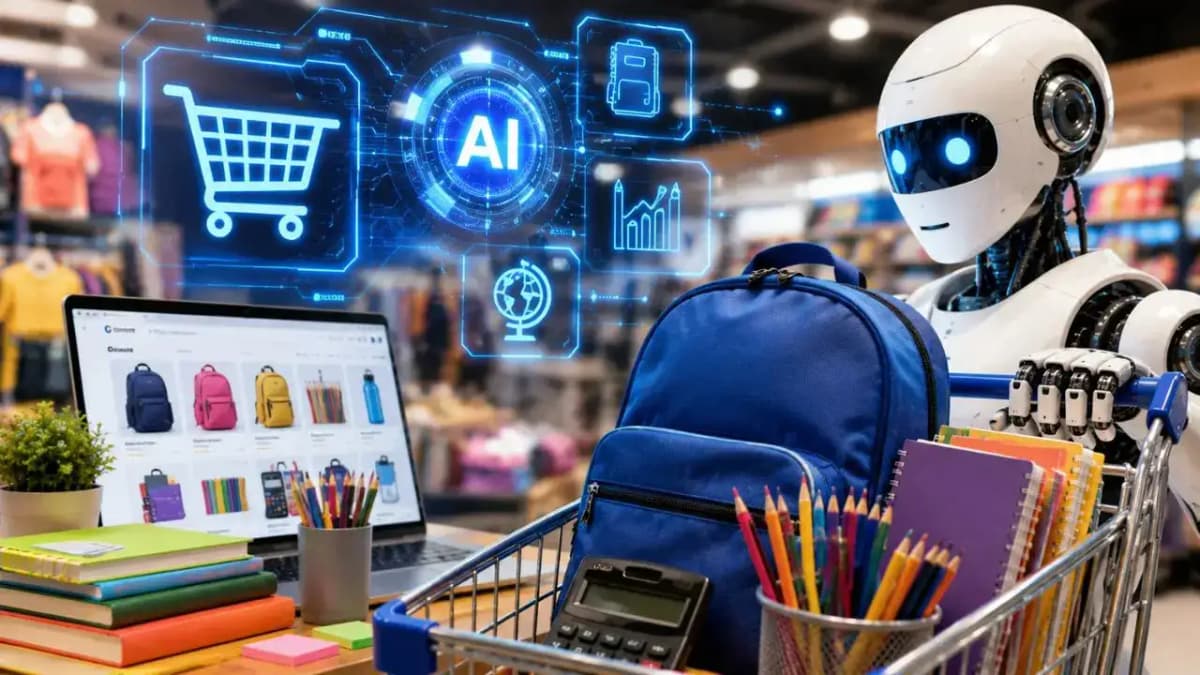
The landscape of back-to-school shopping has evolved significantly, transcending the traditional focus on basic supplies such as notebooks, backpacks, and lunch
The landscape of back-to-school shopping has evolved significantly, transcending the traditional focus on basic supplies such as notebooks, backpacks, and lunch boxes. Today's families are faced with the dual challenges of rising prices and a growing list of essential items that need to be purchased. In this context, artificial intelligence (AI) is emerging as a valuable shopping ally, assisting parents in comparing prices, managing budgets, and making informed product choices. Thomas McMillan, the Director of the Center for Retailing Innovation at Mays Business School, recently shared insights on how factors like inflation, tariffs, AI advancements, and social media are transforming consumer behavior during the back-to-school shopping season. As we delve deeper into McMillan's analysis, it becomes clear that this year's shopping trends are influenced by a complex interplay of economic pressures and technological innovations.
One of the pressing questions this season is whether families will increase their spending on back-to-school items. McMillan suggests that while overall expenditures may hit record levels, this does not necessarily indicate that families are comfortable with their financial commitments. He notes, "We may see record back-to-school spending, but that doesn't mean that families feel comfortable with how much that they're going to spend. You are going to see families make hard choices about what they need to spend on, like basics and things like that, versus what are nice-to-haves." This highlights a shift in consumer behavior where families are prioritizing essential items over discretionary purchases, reflecting the ongoing strain of rising costs on household budgets. The combination of inflation, increased product prices, and tariffs has led to a significant rise in school shopping bills, compelling families to make more thoughtful purchasing decisions as they prepare for the upcoming school year.