









AI Revolution Boosts China's Memory Chip Sector Amid US Scrutiny
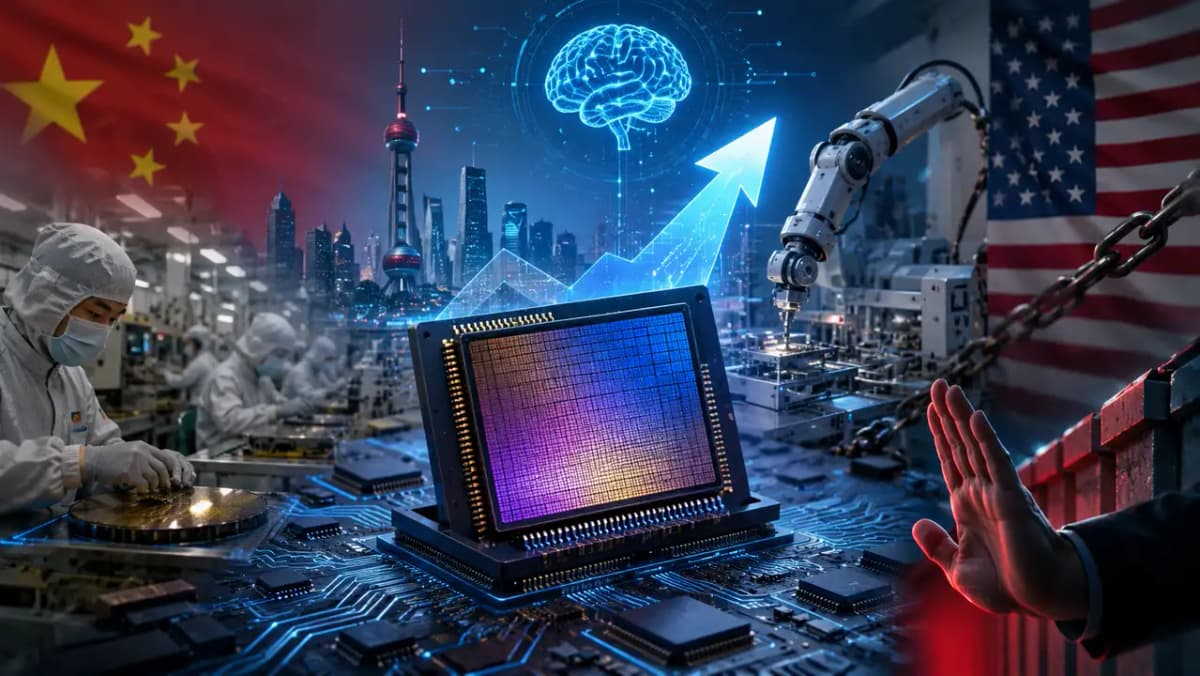
The landscape of china's semiconductor industry is undergoing a significant transformation, largely fueled by advancements in artificial intelligence (ai). loca
The landscape of China's semiconductor industry is undergoing a significant transformation, largely fueled by advancements in artificial intelligence (AI). Local memory chip manufacturers, who previously relied heavily on government backing, are now gaining the capability to dictate pricing, select their clientele, and even compete with some of the nation's largest technology firms. This evolution has not gone unnoticed, as it has raised alarms in the United States regarding potential national security threats. A recent report from Reuters highlights the case of ChangXin Memory Technologies (CXMT), which has ascended to become the fourth-largest memory chip producer globally, a feat attributed to the burgeoning AI sector. These memory chips are essential components in AI-driven smartphones, laptops, and various electronic devices, marking a shift in their market value.
In a notable development, CXMT has been increasing prices for its products supplied to Huawei, despite the latter's requests for reductions. This pricing strategy reflects CXMT's newfound leverage in the market. Tensions between the two companies escalated in June when CXMT ordered engineers from SiCarrier, a chip equipment firm closely associated with Huawei, to vacate its research and development facilities in Hefei. Sources familiar with the situation indicated that SiCarrier executives perceived this action as indicative of the intensifying rivalry between CXMT and Huawei. Although both companies continue to engage in business transactions, the engineers from SiCarrier have reportedly been barred from returning to the R&D area, highlighting the growing friction in their relationship.