





Dosa Printers: Revolutionizing the Preparation of Traditional Indian Dishes
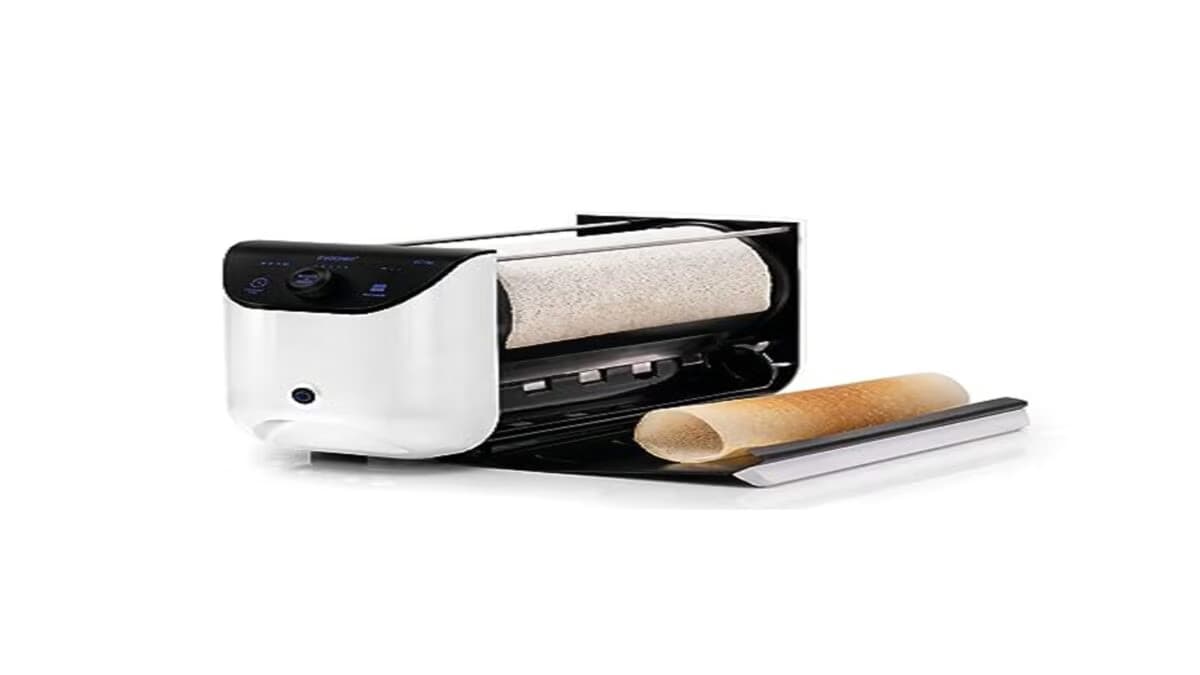
Creating the perfect dosa, a beloved south indian dish, traditionally requires a careful balance of batter consistency, the right temperature of the cooking sur
Creating the perfect dosa, a beloved South Indian dish, traditionally requires a careful balance of batter consistency, the right temperature of the cooking surface, and skilled hand movements. However, the advent of automatic dosa makers, commonly referred to as dosa printers, has transformed this culinary process. These innovative appliances are designed to dispense and cook dosa batter with minimal user intervention, making it easier for anyone to enjoy this delicious treat at home. Some models boast the ability to produce a dosa in as little as 60 seconds, although actual cooking times can vary based on factors such as the specific appliance, the batter's consistency, and the desired level of crispiness.
A dosa printer is a compact countertop device that includes a container for the batter, a mechanism for dispensing it, and a heated cooking surface. Unlike traditional electric dosa tawas, which require users to manually pour and spread the batter, dosa printers automate this process. Users simply add their prepared batter, select their preferred thickness or cooking duration, and initiate the machine. The device then dispenses a precise amount of batter onto the heated surface, where it cooks as the roller or plate moves. The term 'printer' is derived from the machine's ability to produce a uniformly cooked sheet of batter, akin to how a printer produces images on paper, albeit without the use of ink or 3D printing technology.