Advertisement
Advertisement






India's aspiration to emerge as a global manufacturing leader hinges on robust industrial foundations, encompassing vital sectors like steel, energy, infrastruc
India's aspiration to emerge as a global manufacturing leader hinges on robust industrial foundations, encompassing vital sectors like steel, energy, infrastructure, and logistics. One of the most prominent figures in this transformative journey is Sajjan Jindal, the Chairman of the JSW Group. Over the last thirty years, Jindal has played a pivotal role in evolving the JSW Group from a steel manufacturing entity into a multifaceted industrial powerhouse, significantly contributing to India's developmental narrative. His strategic investments span various sectors, including manufacturing, energy, and infrastructure, all aimed at bolstering the nation's growth. The group's expansion reflects a steadfast commitment to laying the groundwork necessary for India's advancement, with steel plants supporting critical nation-building initiatives and energy assets enhancing connectivity through logistics networks.
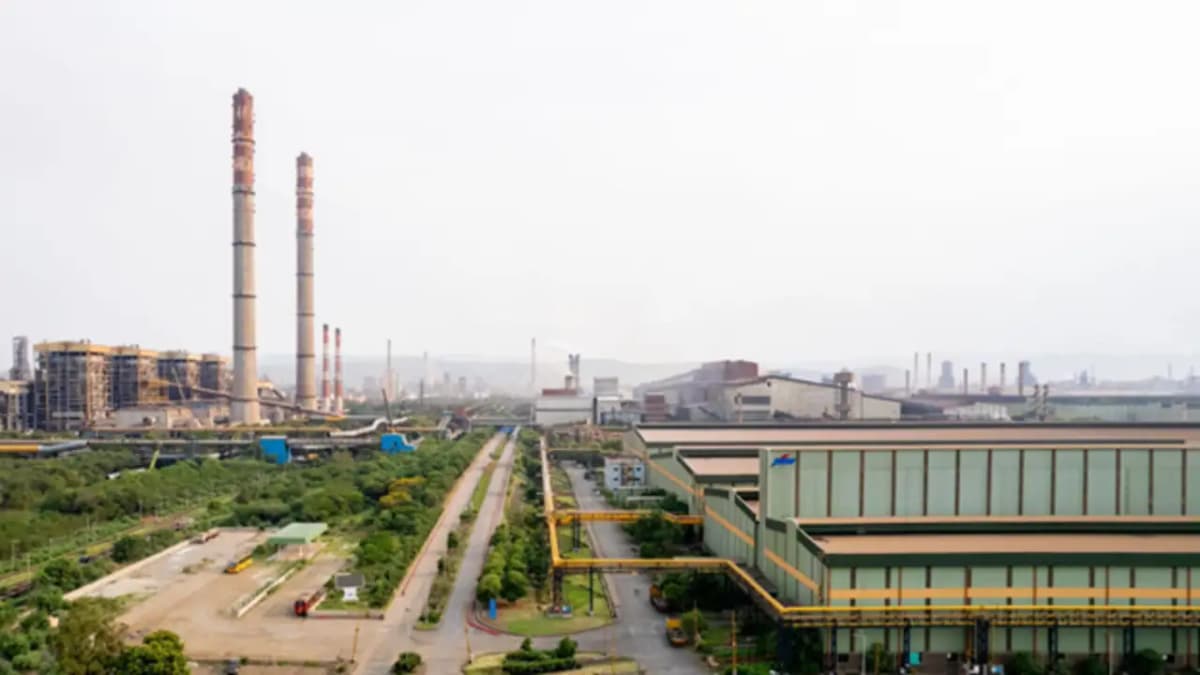
For Jindal, manufacturing transcends mere industrial activity; it represents a strategic asset essential for economic growth, job creation, and enhancing national competitiveness. As India strives to solidify its status as a global manufacturing hub, the expansion of domestic industrial capabilities becomes increasingly vital. This vision is exemplified by JSW Steel's Vijayanagar Works in Karnataka, which boasts a crude steel production capacity of 17.5 million tonnes per annum (MTPA), making it the largest single-location steel manufacturing facility in India. Additionally, the Dolvi plant in Maharashtra is on track to ramp up its production capacity to 15 MTPA by the fiscal year 2028. With an ambitious goal of achieving a total steel production capacity of 50 MTPA by 2031, JSW Steel is proactively investing to meet the future demands of infrastructure, transportation, and energy, ensuring that the steel required for highways, railways, and urban development is increasingly sourced from within the country.
Energy security is a cornerstone of industrial growth, and as India pursues its renewable energy goals while addressing the rising demands from both industries and urban centers, the importance of a reliable energy supply cannot be overstated. JSW Energy has evolved into a diversified platform that encompasses thermal, hydro, solar, and wind generation. The group adopts a holistic approach, viewing conventional and renewable energy not as competing interests but as complementary components of a balanced energy portfolio. JSW Energy aims to achieve 30 gigawatts (GW) of generation capacity by 2030, while also expanding its renewable energy and storage capabilities. Furthermore, the company has set an ambitious target for carbon neutrality by 2050, which is significantly ahead of India's national goal of reaching net-zero emissions by 2070. The JSW Group's investments in ports and logistics through JSW Infrastructure further exemplify Jindal's vision, as the company operates a growing network of ports and terminals that enhance supply chain efficiency across India's coasts, thereby facilitating the movement of goods and resources crucial for economic vitality.
SEBI Proposes New Rules for Portfolio Managers to Invest Abroad

Navigating Love: Single Parents Face Guilt in New Relationships

Yemen's Wadi Dawan Faces Growing Plastic Waste Crisis

Ben Affleck's Mother Chris Affleck Passes Away at 83 After Cancer Fight
Telangana IT Minister Calls Karnataka a Healthy Competitor for Investments

Munawar Faruqui Critiques Celebrity Silence on NEET Protests

PM Modi's Social Media Surge: 1.1 Million New Followers in Just 12 Hours

Government Unveils Major Reforms Amid NEET Controversy and Protests

India Ends Losing Streak with Win Over Zimbabwe in T20I Series Opener