









Japan's Ambitious Intelligence Overhaul: A New Era Begins
Japan is embarking on a significant transformation of its intelligence framework, marking the most substantial shift since world war ii. the nation is set to es
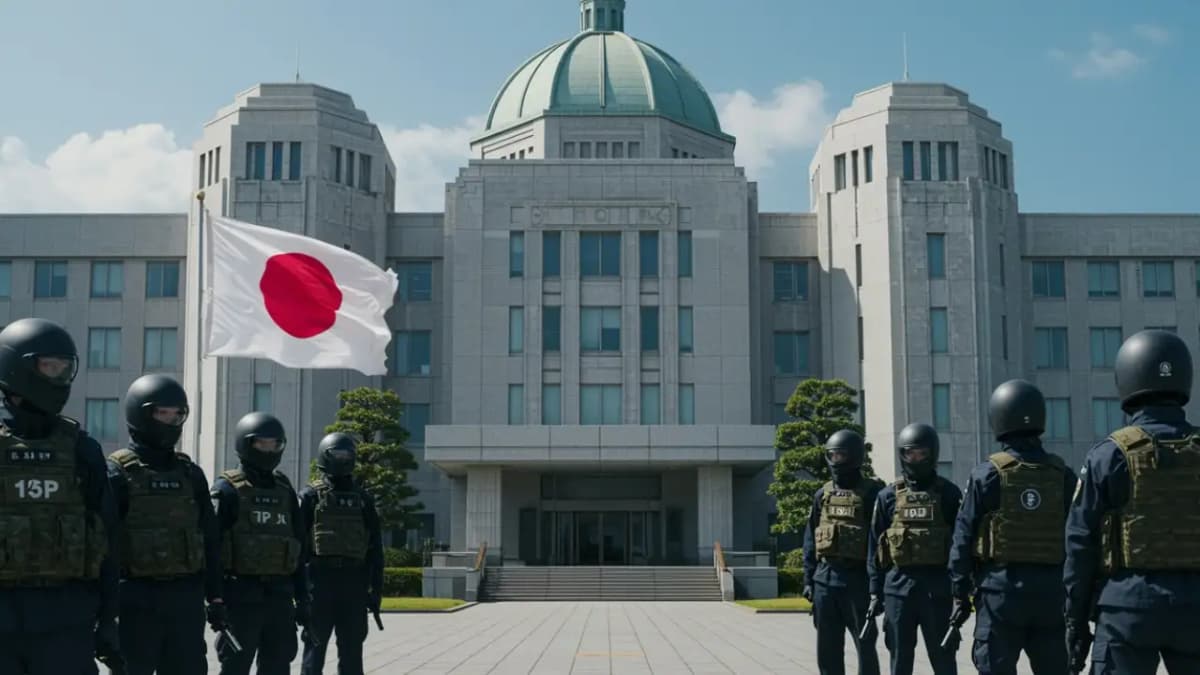
Japan is embarking on a significant transformation of its intelligence framework, marking the most substantial shift since World War II. The nation is set to establish a contemporary intelligence agency in response to escalating threats from regional powers such as China, North Korea, and Russia. As reported by The Washington Post, this new national intelligence bureau will serve as the central hub for intelligence operations, coordinating efforts across various government departments and reporting directly to the Prime Minister. This initiative emerges in a context of heightened security challenges in the Indo-Pacific region and increasing demands from U.S. President Donald Trump for allied nations to take greater responsibility for their defense.
For many years, Japan has been perceived as lacking in intelligence capabilities compared to other major global powers, often depending on allies like the United States for crucial intelligence support. Throughout this period, the country has faced numerous cyberattacks linked to China, espionage activities, and the alleged theft of sensitive trade secrets, revealing significant vulnerabilities in its national security framework. Members of the Five Eyes intelligence alliance regard Japan as an essential partner in maintaining security in Asia, yet they acknowledge that Japan's intelligence capabilities have not kept pace with its geopolitical significance. Prime Minister Sanae Takaichi has prioritized national security within her administration, advocating for increased defense spending and easing restrictions on the export of military equipment, while also pushing for the modernization of Japan's intelligence operations.