








Innovative Tongue Pacemaker Offers Hope for Sleep Apnea Sufferers
A groundbreaking device known as the 'tongue pacemaker' is emerging as a potential game changer for individuals suffering from obstructive sleep apnea (osa), pa
A groundbreaking device known as the 'tongue pacemaker' is emerging as a potential game changer for individuals suffering from obstructive sleep apnea (OSA), particularly those who find it challenging to use CPAP machines. Recent research published in JAMA Otolaryngology - Head and Neck Surgery highlights the device's ability to not only enhance sleep quality but also lower the risk of serious health issues, including diabetes and hypertension. This new approach, termed hypoglossal nerve stimulation (HGNS), presents a viable alternative for patients who struggle with the conventional Continuous Positive Airway Pressure (CPAP) therapy, which is often considered the standard treatment for OSA. The study's findings indicate that HGNS could significantly improve the lives of those who have difficulty adhering to CPAP therapy, providing a fresh avenue for treatment in a population that has limited options.
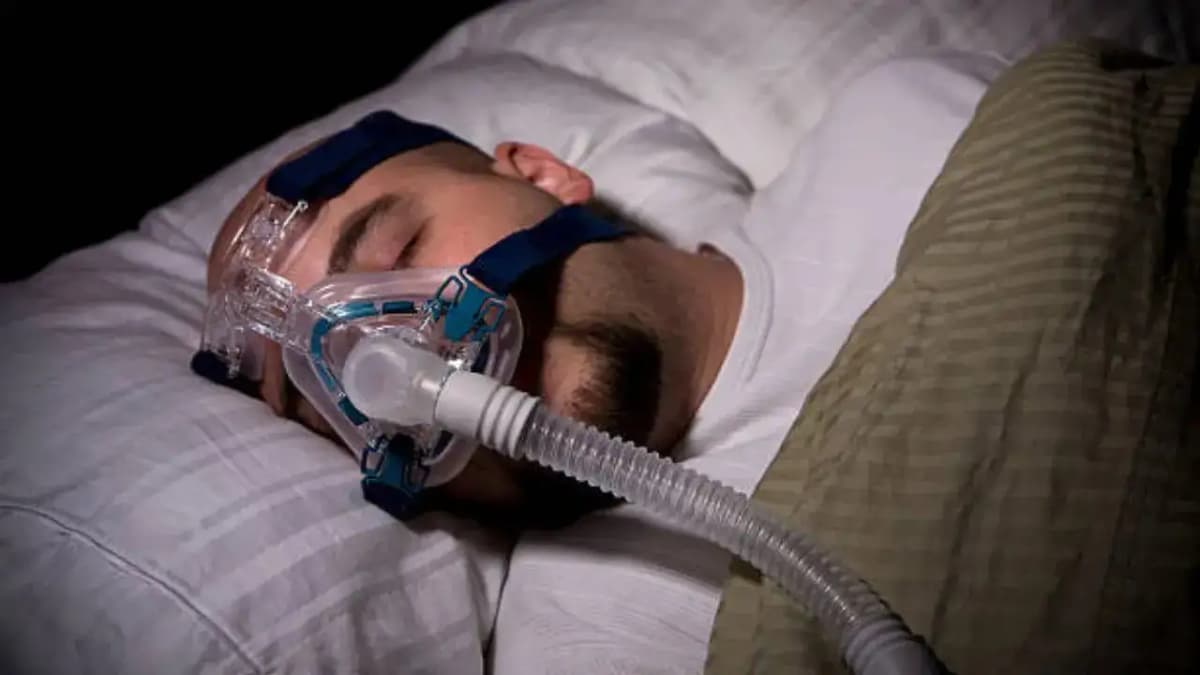
Obstructive sleep apnea is a prevalent sleep disorder that impacts millions of adults globally. It is characterized by the relaxation of throat muscles during sleep, leading to repeated airway blockages. These interruptions in breathing can drastically reduce oxygen levels and disrupt sleep patterns, often without the individual being aware of it. Common symptoms include excessive daytime sleepiness, loud snoring, and episodes of gasping or choking during sleep. The HGNS device operates on a different principle compared to CPAP machines. Surgeons perform a minimally invasive procedure to implant an electrode around the hypoglossal nerve, which is responsible for tongue movement. This electrode is connected to a small device placed under the skin in the upper chest. When the patient inhales during sleep, the device sends gentle electrical pulses to the tongue, nudging it forward to prevent airway obstruction. This internal mechanism is activated only during sleep, making it a more comfortable option for many patients compared to the external CPAP machine that requires a mask.