Advertisement
Advertisement





In a significant shift within its defense structure, pakistan has embarked on a comprehensive overhaul of its military framework, establishing the national stra
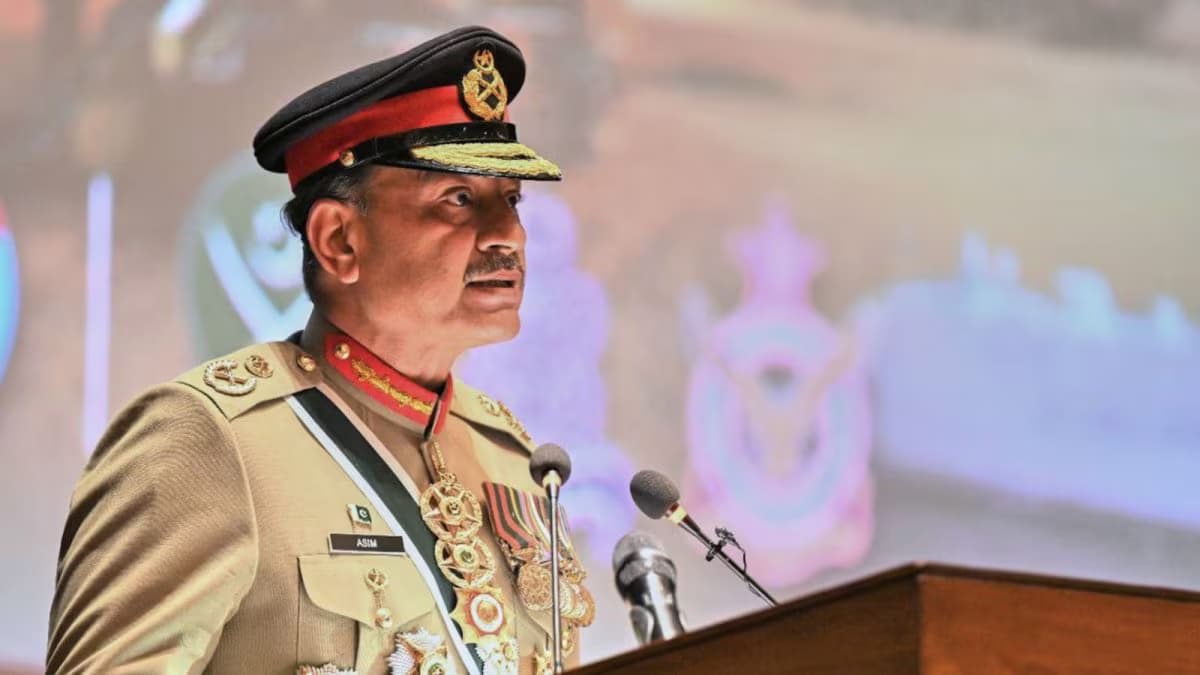
In a significant shift within its defense structure, Pakistan has embarked on a comprehensive overhaul of its military framework, establishing the National Strategic Command (NSC) through recent legislative changes. This newly created body will take charge of the nation’s strategic assets, including its nuclear arsenal, consolidating authority under a singular military command. This transformation marks a departure from the previously established civilian-led National Command Authority (NCA), which means that the oversight from the Prime Minister will now be limited to an informational role rather than an operational one. This move is seen as a strategic effort to streamline military operations and enhance the effectiveness of Pakistan's defense capabilities.
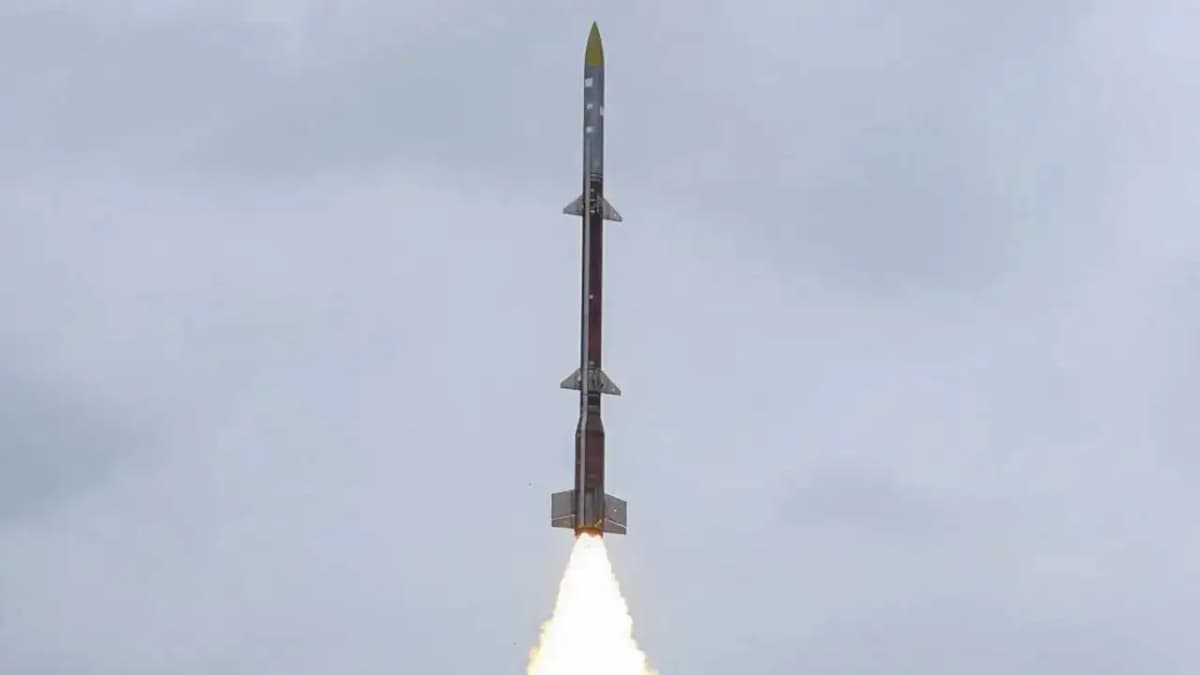
The driving force behind this reorganization is Field Marshal Syed Asim Munir, who serves as both the Chief of Defence Forces (CDF) and the Chief of the Army Staff (COAS). As part of this restructuring, Lieutenant General Syed Aamer Raza has been promoted to the rank of four-star General and appointed as the first Commander of the National Strategic Command. This elevation is significant as it reflects the military's intent to fortify its command structure and operational readiness. The NSC's operational framework is notably influenced by the organizational structure of China’s People’s Liberation Army, particularly the operational methodologies of the PLA Rocket Force. The NSC will work closely with the Strategic Plans Division (SPD) to manage nuclear stockpiles, missile systems, and the development of delivery mechanisms, all under a unified command.
This strategic realignment aims to create a cohesive operational command that integrates the Army, Navy, Air Force, Rocket Force, and Strategic Command. The overarching goal is to bolster strategic deterrence, particularly in relation to Pakistan’s eastern border, while fostering deeper defense and technological collaboration with China. However, this consolidation of power has also led to notable changes in the traditional career progression within the Pakistan Armed Forces. Promotion boards for senior officer ranks have been on hold for over 15 months, reflecting the ongoing systemic restructuring of military commands. Additionally, routine Formation Commanders’ Conferences have been suspended since 2024, indicating a shift towards a more centralized decision-making process among senior military leaders. This command shakeup is expected to streamline operational control, reducing the autonomy previously held by regional Corps Commanders and reshaping the military landscape in Pakistan.
Telangana IT Minister Calls Karnataka a Healthy Competitor for Investments
Trump Indicates US Preparedness Amid Ongoing Iran Dialogue
Trump Urges Saudi Arabia to Normalize Relations with Israel for Nuclear Deal
Three Indian-Origin MPs Take Key Roles in UK Cabinet Reshuffle
IOC Dismisses Human Rights Complaint Against FIFA's Infantino
Trump's Sudden Aircraft Change in Turkey Due to Security Threat
Trump Links Saudi Nuclear Deal to Abraham Accords Participation
Karim Khan Removed as ICC Chief Prosecutor Amid Sexual Abuse Allegations
ICC Dismisses Chief Prosecutor Karim Khan Amid Misconduct Allegations
Over 110,000 Evacuated in France Due to Massive Wildfire
Saudi Coalition Launches Strikes on Houthi Positions in Yemen's Hodeida