




White House Correspondents’ Dinner Rescheduled After Security Incident
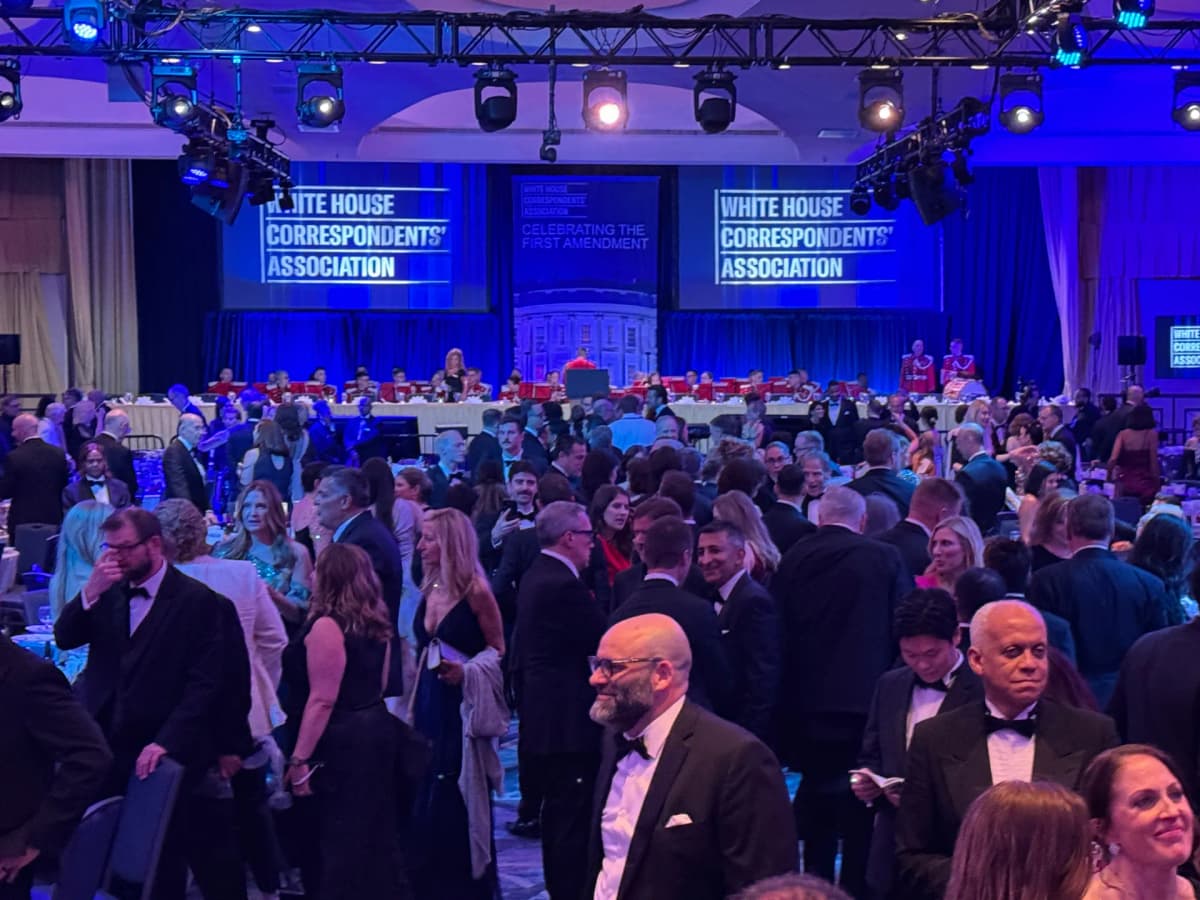
In washington, d.c., the white house correspondents’ dinner, a long-standing annual event, is set to take place again after a violent incident in april disrupte
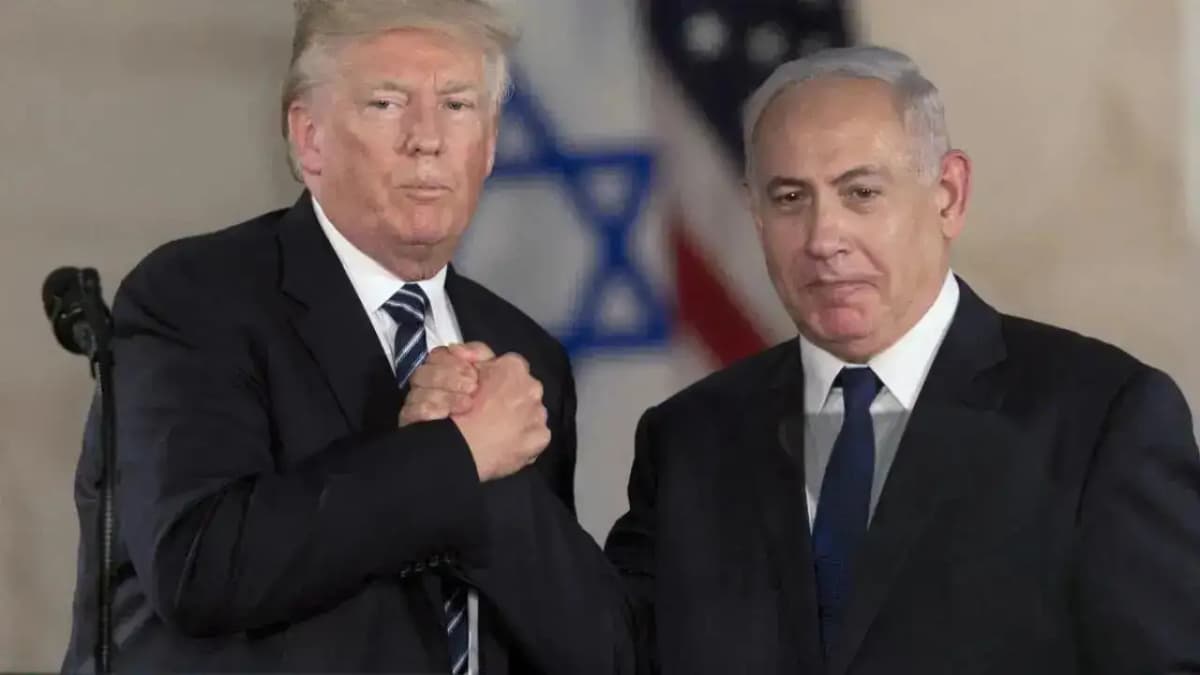
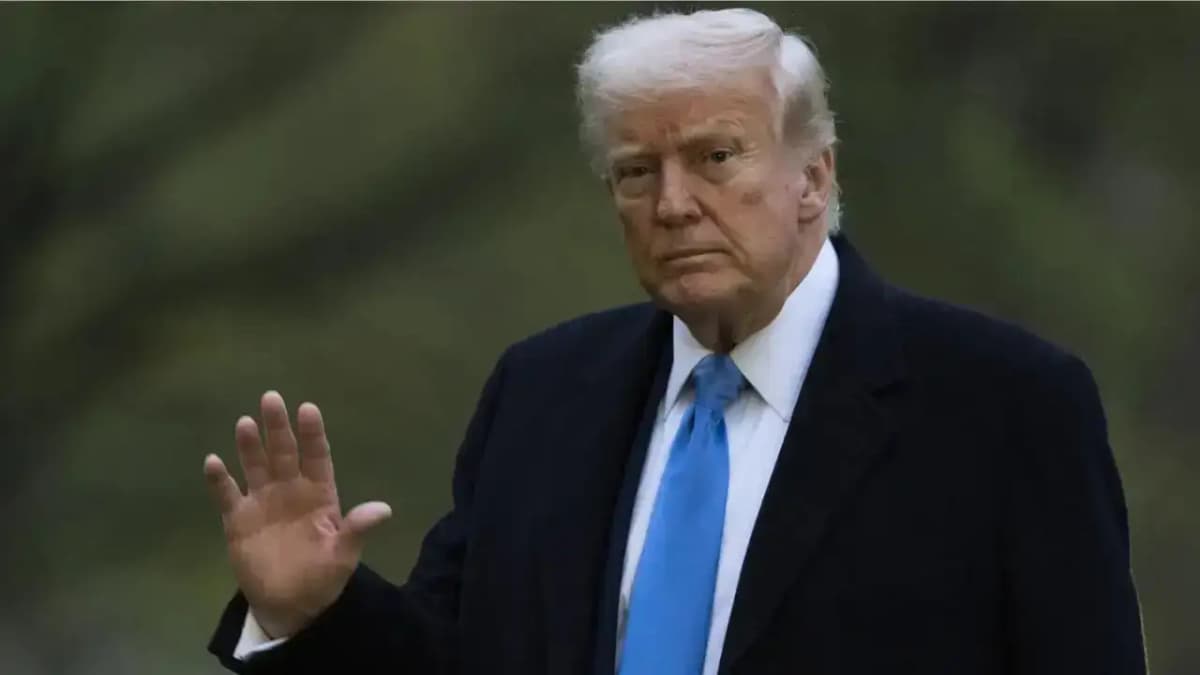
In Washington, D.C., the White House Correspondents’ Dinner, a long-standing annual event, is set to take place again after a violent incident in April disrupted its original schedule. The dinner, which is known for its mix of political figures and media personalities, was initially planned for April but was abruptly canceled when a gunman attempted to storm the venue in a reported assassination attempt against President Donald Trump. This alarming event has cast a shadow over the dinner, prompting discussions about its future and the safety of attendees. Despite the tumultuous backdrop, Trump is expected to attend the rescheduled dinner on July 24, a significant shift from his previous stance during his first term when he labeled the event as “dead” and opted out of attending for four consecutive years. His current enthusiasm for the event reflects a notable change in attitude, as he now describes it as a “very good thing” and a “HOT ticket.” However, heightened security measures will be in place to ensure the safety of all participants, given the recent violent episode.
The White House Correspondents’ Dinner has faced criticism from various quarters, particularly among journalists who question its relevance and ethics in the current media landscape. The April incident has intensified calls for a reevaluation of the event, with some prominent media figures arguing that it serves more as a social gathering for journalists and politicians rather than a platform for serious journalism. Nicholas Lemann, a former dean at Columbia University’s Graduate School of Journalism, criticized the dinner as akin to a “Rotary Club meeting,” suggesting that it undermines the integrity of the press. Kelly McBride, a senior vice president at The Poynter Institute, echoed these sentiments, labeling the tradition as outdated and detrimental to journalism as a whole. Weijia Jiang, the president of the White House Correspondents’ Association (WHCA), emphasized that the decision to reschedule the dinner was made thoughtfully, taking into account the opinions of its members.