


Elon Musk Reflects on His Political Involvement During Trump Era
In a recent interview with the economist, elon musk candidly reflected on his involvement in politics during the trump administration, particularly regarding hi
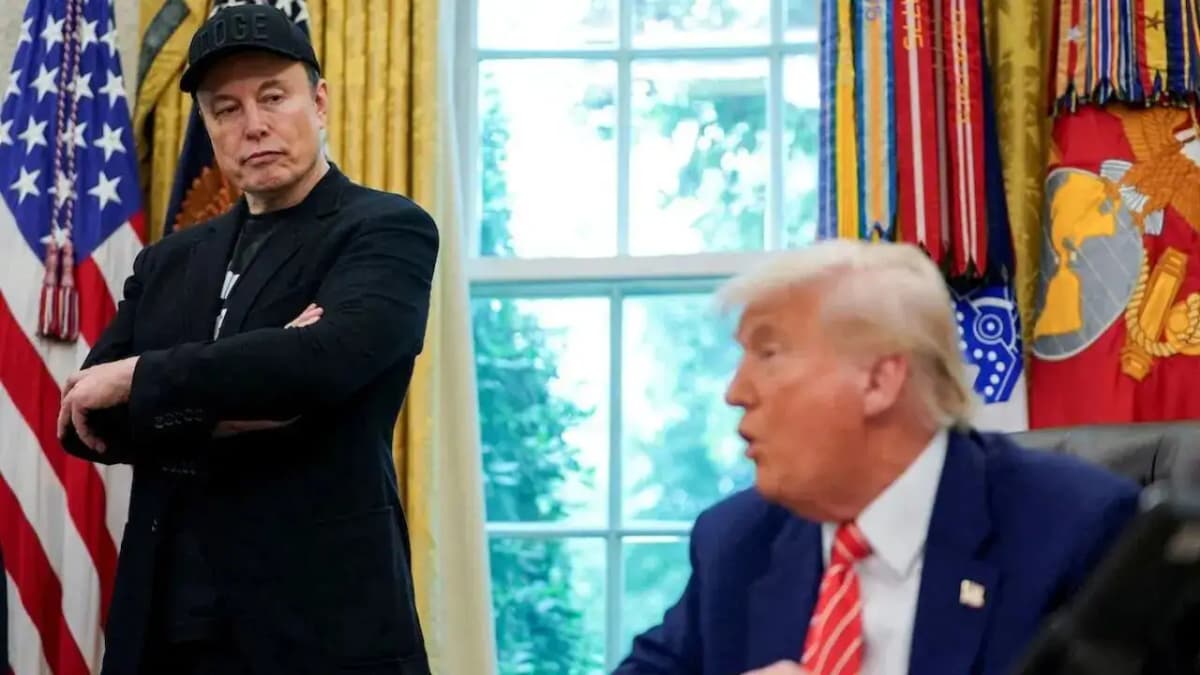
In a recent interview with The Economist, Elon Musk candidly reflected on his involvement in politics during the Trump administration, particularly regarding his role in the federal workforce reductions. Musk, who invested significantly in Donald Trump's campaign efforts, acknowledged that he may have overstepped his bounds while serving as a special government employee. He stated, "I think I got a little too involved in politics, got carried away, frankly," indicating a level of self-awareness about his political engagement and its implications. His comments came as he discussed his tenure at the Department of Government Efficiency (DOGE), a position he assumed shortly after Trump's victory in the 2024 election. Musk was tasked with leading an ambitious initiative aimed at slashing $2 trillion from the federal budget through substantial cuts to agency funding and staffing. However, the endeavor faced significant challenges, particularly after former GOP presidential candidate Vivek Ramaswamy departed from the project, leaving Musk to navigate the complexities of government reform alone.
Musk defended the overarching goals of the DOGE initiative, emphasizing the need to address the nation's substantial deficit. He remarked, "The goal with the sort of DOGE stuff was to try to do something about the deficit, which is massive," acknowledging the backlash he received for the controversial measures implemented during his leadership. The interview also delved into the human impact of DOGE's decisions, particularly the dismantling of the U.S. Agency for International Development (USAID). When confronted with allegations linking the agency's budget cuts to an increase in terrorism in sub-Saharan Africa, as well as reports of children suffering due to the loss of nutritional and medical programs, Musk dismissed these claims as unfounded. He characterized USAID as primarily a political entity, suggesting that its operational focus was not adequately aligned with humanitarian needs.