







Liberians Embrace Digital Platforms to Preserve Cultural Heritage
In monrovia, liberia, the rich tapestry of the nation's history, once solely passed down through the voices of elders, is now being revitalized through modern t
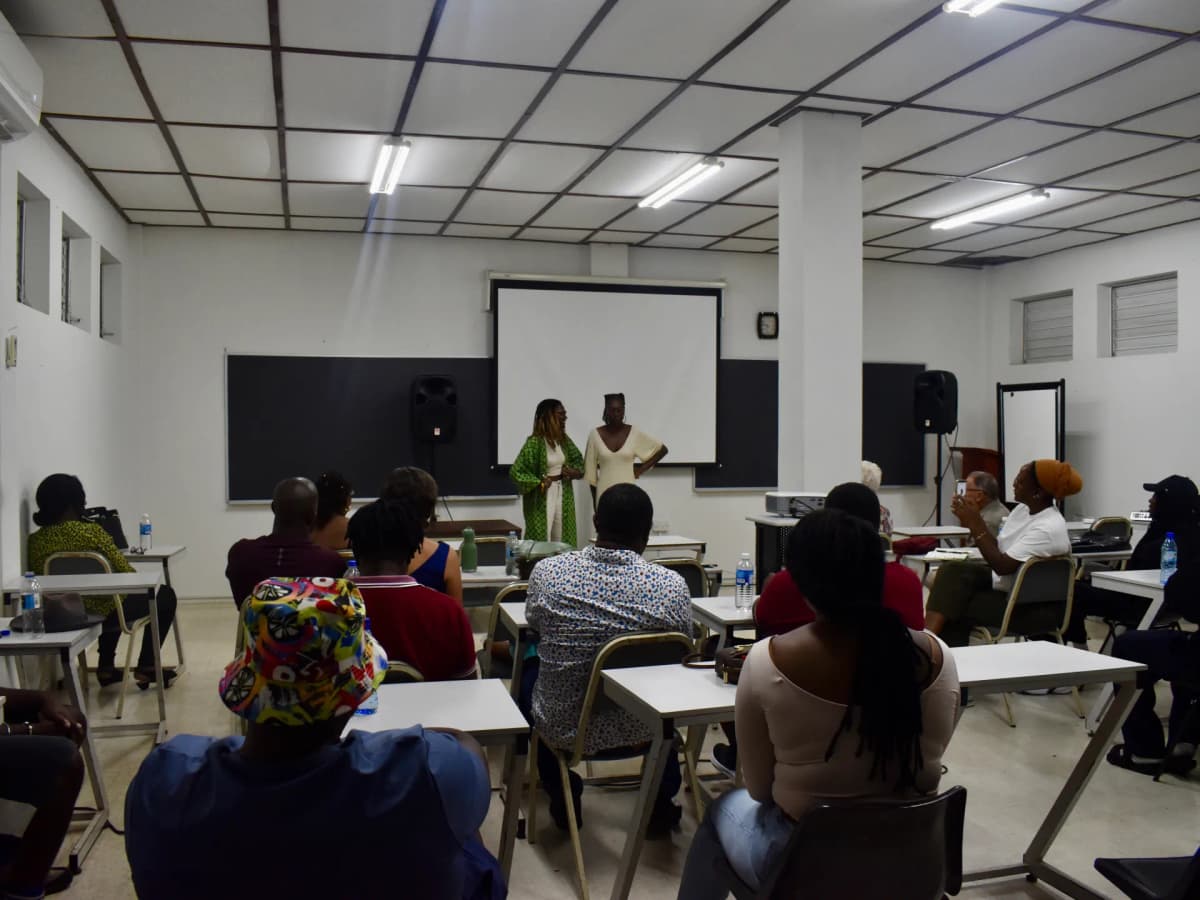
In Monrovia, Liberia, the rich tapestry of the nation's history, once solely passed down through the voices of elders, is now being revitalized through modern technology. For years, the narratives of Liberia’s past were shared in intimate settings, such as community gatherings and ceremonies, but today, these stories are finding new life on platforms like TikTok, Facebook, YouTube, and various podcasts. Young Liberians are stepping up to document their heritage, exploring cultural nuances, and reaching audiences both locally and in the diaspora. Instead of replacing traditional storytelling, they are enhancing it, ensuring that the age-old practice continues to thrive in a digital landscape. In many parts of West Africa, the role of griots, or oral historians, has been crucial in preserving history through storytelling and music. Although Liberia did not develop a formal griot tradition akin to that found in the Sahel region, its elders have historically played a similar role, safeguarding family histories and cultural practices that bind communities together. However, this tradition has faced increasing challenges over the years. One of the prominent figures in the movement to preserve Liberia’s history is Bilphena Decontee Yahwon, the founder of Archive Liberia. This initiative focuses on memory and political education, delving into Liberian history through research, archiving, and public storytelling. Yahwon explains, “I didn’t originally set out to tell Liberian stories. I wanted to tell my own story.” Her journey of self-discovery revealed a broader narrative of war and migration, prompting her to understand Liberia's past and its impact on the present. This personal exploration has become part of a larger trend among young Liberians who utilize digital platforms to reclaim and reshape the narrative of their country’s history. Elders have long been the custodians of memories, cultural traditions, and significant events that have shaped Liberia. However, the civil wars that ravaged the nation between 1989 and 2003 disrupted this transmission of knowledge, resulting in a loss of historical continuity. The wars claimed approximately 250,000 lives and displaced countless others, leading to a significant gap in the passing down of cultural and familial memories. Patrick Burrowes, a historian from Liberia, notes that while the country lacked a professional class of griots, elders endeavored to share historical and cultural knowledge informally. He emphasizes that the disruption caused by the wars has led to a decline in the accurate transmission of history and culture. As urbanization increases, many young Liberians find themselves distanced from the communities where these oral histories were traditionally shared. A recent report from the Liberia Institute for Statistics and Geo-Information Services indicates that nearly half of the urban population consists of internal migrants. The venues for storytelling have evolved, but the need to preserve these narratives remains critical. For many young Liberians, the internet has become the new gathering space. A historical photo on Facebook, a TikTok video detailing a cultural practice, or a podcast discussing Liberia’s history can now reach audiences far beyond local communities. The stories that were once exchanged between generations now traverse cities, continents, and the global Liberian diaspora in mere moments. Zuleka Dauda, chief program officer at the Center for Integrated Solutions, observes that this shift signifies an evolution rather than a loss of culture. “Young Liberians are consuming culture differently, but it’s still being taught and shared,” she states. Instead of congregating around traditional palava huts, they now gather on digital platforms. While these new mediums offer opportunities to document traditions and challenge external narratives about Liberia, they also present challenges. Access to the internet remains a significant barrier, with only about one-third of Liberians online, limiting participation in this growing digital archive. Additionally, the rise of misinformation poses a risk to the integrity of storytelling. Unlike traditional storytellers who underwent years of training, many social media users lack the skills to discern fact from fiction, leading to the spread of unverified information. Yahwon emphasizes the importance of shaping Liberia’s narrative accurately, highlighting the need to challenge historical accounts that have been influenced by colonial and imperial perspectives. As more Liberians engage with digital platforms, they are not only preserving their cultural heritage but also redefining how their history is told and understood in the modern world.