



Microsoft Shifts to In-House AI, Phasing Out OpenAI and Anthropic Models
Microsoft has initiated a significant shift in its artificial intelligence strategy by transitioning to its proprietary ai models, moving away from reliance on
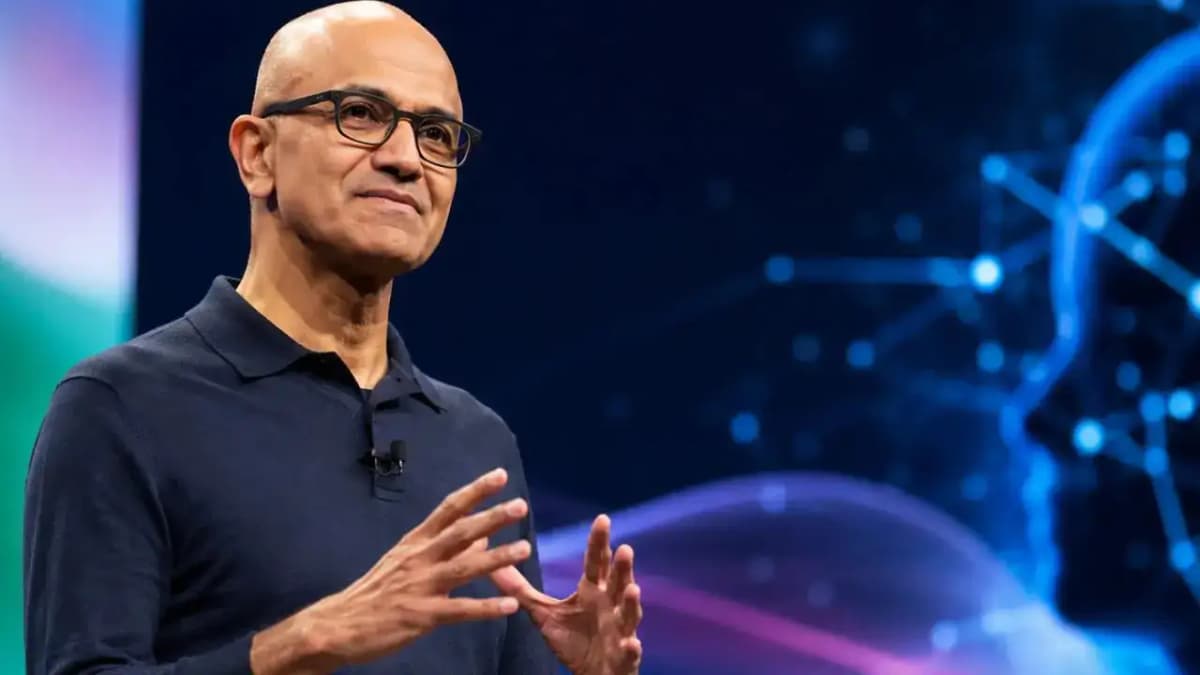
Microsoft has initiated a significant shift in its artificial intelligence strategy by transitioning to its proprietary AI models, moving away from reliance on OpenAI and Anthropic technologies. This strategic decision was articulated by Microsoft CEO Satya Nadella, who emphasized the company's aim to have its in-house MAI (Microsoft Artificial Intelligence) models assume responsibilities previously managed by external frontier models. Early implementations of this new approach can be observed in applications such as Outlook, GitHub Copilot, and Excel, where promising results have already been reported. The company plans to extend this in-house AI capability to additional platforms, including PowerPoint and Copilot Chat, as part of its broader vision for AI integration across its product suite.
In a notable shift, Nadella pointed out that software now incurs a tangible marginal cost, transforming the decision-making process regarding AI models from a purely technical consideration to a strategic business choice. While Microsoft will continue to utilize models like ChatGPT and Claude for specific frontier challenges, the majority of its operations will increasingly rely on its own MAI products. The company has asserted that its in-house models outperform general-purpose frontier models in various applications while also being significantly more cost-effective. This cost efficiency is a critical factor in Microsoft's strategy, as the company seeks to address the challenges associated with expensive AI models that may not deliver adequate results.